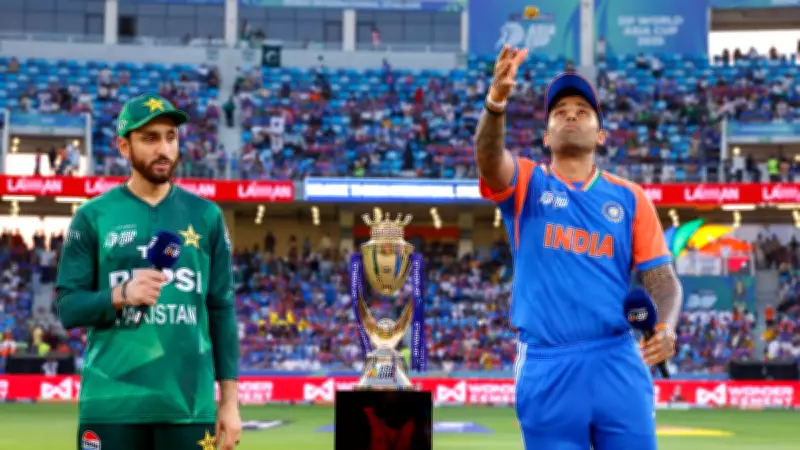
Pakistan Cricket Board Shows First Signs of Softening Stance on India Boycott for 2026 T20 World Cup
The Pakistan Cricket Board (PCB) has provided the initial indication that it might be reconsidering its firm boycott stance against India in the context of the upcoming T20 World Cup in 2026. This development comes directly in response to a formal and official request submitted by Sri Lanka Cricket (SLC), which is actively seeking to host the prestigious global tournament. The PCB's potential shift marks a significant moment in the often-tense cricketing relations between the two neighboring nations.
Background of the Boycott and Sri Lanka's Intervention
For an extended period, the PCB has maintained a strict policy of boycotting matches involving the Indian cricket team, a stance rooted in longstanding political and diplomatic tensions between Pakistan and India. This boycott has notably affected bilateral series and created complications in multinational tournaments where the two teams are scheduled to meet. The situation reached a critical juncture when Sri Lanka Cricket, aiming to secure hosting rights for the 2026 T20 World Cup, formally approached the PCB. SLC's request specifically urged Pakistan to reconsider its boycott to ensure the smooth organization and commercial viability of the event, highlighting the importance of India's participation for the tournament's global appeal and financial success.
Implications for the 2026 T20 World Cup and International Cricket
The PCB's hinted flexibility could have profound implications for the 2026 T20 World Cup. If Pakistan agrees to play against India, it would remove a major logistical and diplomatic hurdle for Sri Lanka Cricket's bid, potentially strengthening SLC's position as a host. This move would also be welcomed by the International Cricket Council (ICC) and cricket fans worldwide, as matches between India and Pakistan are among the most anticipated and high-viewership events in the sport. The potential thaw in relations might pave the way for more normalized cricketing ties, benefiting the global cricket calendar and fostering a spirit of sportsmanship.

Next Steps and Future Prospects
While the PCB has only given a first hint and not a definitive decision, this development is being closely monitored by cricket boards and analysts. The board is expected to engage in further discussions with Sri Lanka Cricket and possibly the ICC to assess the terms and conditions. A final decision will likely consider factors such as security arrangements, political climate, and the broader impact on Pakistan's cricketing interests. If the boycott is lifted, it could signal a new chapter in India-Pakistan cricket diplomacy, with potential positive ripple effects for other sports and bilateral relations. The cricketing world now awaits official confirmation, which could reshape the landscape of international tournaments.