Sri Lankan President Expresses Gratitude to Pakistan PM Over Cricket Diplomacy
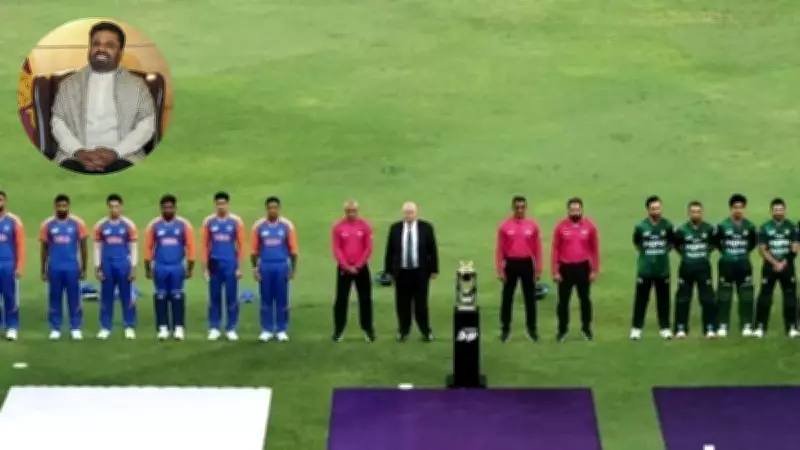
In a significant diplomatic gesture, Sri Lankan President Anura Kumara Dissanayake has formally thanked Pakistan Prime Minister Shehbaz Sharif for withdrawing a proposed boycott of a cricket match against India. This move highlights the deep-rooted sportsmanship and political goodwill between the neighboring nations.
Recalling Historic Solidarity from the 1996 World Cup
President Dissanayake drew a poignant parallel to the 1996 Cricket World Cup, a historic moment when both India and Pakistan chose to visit Sri Lanka for matches despite widespread security concerns that led other teams to refuse. This act of solidarity during a turbulent period strengthened bilateral ties and showcased the power of cricket as a unifying force in South Asia.
The President emphasized that such gestures are not merely about sports but reflect a broader commitment to regional cooperation and mutual respect. "The decision to withdraw the boycott underscores the enduring spirit of camaraderie that transcends political boundaries," he stated, acknowledging Pakistan's role in fostering a positive atmosphere for the upcoming T20 World Cup.

Implications for the T20 World Cup and Regional Relations
This development comes at a crucial time as cricket enthusiasts eagerly anticipate the T20 World Cup. The withdrawal of the boycott is expected to:
- Ensure smooth scheduling and participation of all teams.
- Enhance diplomatic relations among Sri Lanka, Pakistan, and India.
- Promote a message of peace and collaboration through sports.
Observers note that such actions can have far-reaching effects, potentially easing tensions and encouraging dialogue on other regional issues. The cricket field often serves as a microcosm of larger geopolitical dynamics, and this episode reinforces the idea that sports can bridge divides.
Broader Context of Cricket and Diplomacy in South Asia
Cricket has long been a tool for diplomacy in South Asia, with matches frequently symbolizing the state of relations between countries. The 1996 World Cup incident is a testament to this, where India and Pakistan's support for Sri Lanka during a security crisis left a lasting legacy. Today, President Dissanayake's gratitude reiterates the importance of maintaining these bonds.
As the T20 World Cup approaches, all eyes will be on how such gestures translate into on-field performances and off-field collaborations. The withdrawal of the boycott not only benefits the tournament but also sets a precedent for future interactions in the region.