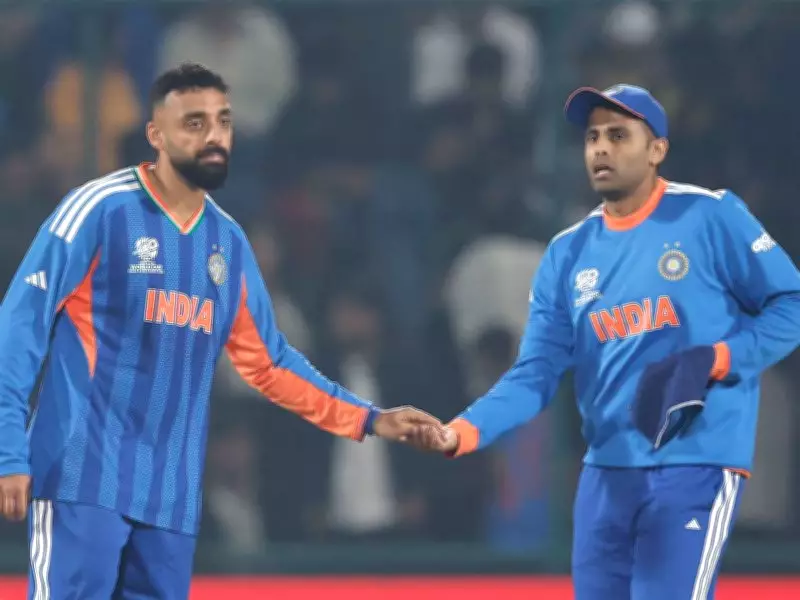
T20 World Cup: Spin Dominates India-Namibia Clash, Tournament Record Shattered
In a remarkable display of strategic bowling, the T20 World Cup match between India and Namibia in Delhi was dominated by spin, leading to the shattering of a significant tournament record. The encounter saw an unprecedented reliance on spin bowling, with both teams deploying their spinners extensively throughout the game.
Historic Spin Bowling Performance
The match witnessed a total of over 16 overs bowled by spinners, breaking the previous T20 World Cup record for the most spin overs in a single match. This tactical shift highlighted the evolving nature of T20 cricket, where spin has become a crucial weapon on pitches that offer turn and bounce. The spinners from both sides exploited the conditions effectively, creating pressure and restricting the flow of runs.
India's spin attack, led by key bowlers, played a pivotal role in containing Namibia's batting lineup. Similarly, Namibia's spinners put up a resilient performance against India's powerful batting order, showcasing the global rise of spin bowling in the shortest format of the game.

Impact on the Game and Tournament
The dominance of spin in this clash not only set a new benchmark but also influenced the match outcome significantly. The record-breaking number of spin overs led to a slower scoring rate, with batsmen struggling to adapt to the turning ball. This has sparked discussions among cricket analysts about the increasing importance of spin in T20 World Cups, especially on subcontinental pitches.
Experts note that this trend could shape future strategies in the tournament, with teams likely to bolster their spin departments. The Delhi pitch, known for its assistance to spinners, proved to be a perfect stage for this historic achievement, emphasizing the role of venue conditions in modern cricket.
Broader Implications for Cricket
This record-breaking event underscores a broader shift in T20 cricket, where spin bowling is no longer just a defensive option but a proactive strategy to control games. The India-Namibia match serves as a case study for how teams can leverage spin to gain an advantage, potentially inspiring other nations to develop their spin talents.
As the T20 World Cup progresses, this clash will be remembered as a milestone in the evolution of the sport, highlighting the growing prowess of spin bowlers on the global stage. Fans and pundits alike are now keenly watching to see if this trend continues in upcoming matches, possibly redefining the dynamics of T20 cricket.