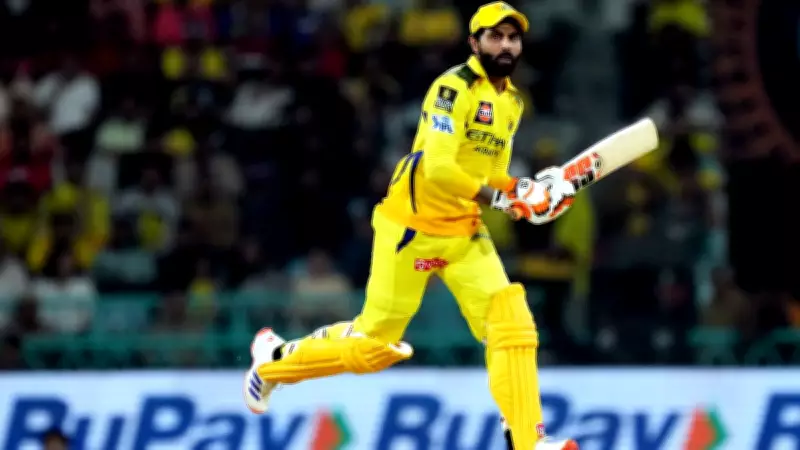
Ravindra Jadeja's Absence from Chennai Super Kings in IPL 2026: A Detailed Analysis
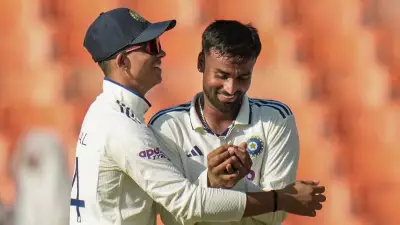
The absence of Ravindra Jadeja from the Chennai Super Kings (CSK) lineup in the Indian Premier League (IPL) 2026 season has sparked widespread discussion among cricket fans and analysts. As a pivotal all-rounder known for his dynamic batting, sharp fielding, and effective left-arm spin, Jadeja's non-participation represents a significant shift for the franchise, which has long relied on his versatile contributions. This development raises questions about team strategy, player management, and the broader implications for CSK's performance in the tournament.
Primary Reasons for Jadeja's Non-Inclusion in CSK's IPL 2026 Squad
Several factors have contributed to Ravindra Jadeja not playing for Chennai Super Kings in IPL 2026. Understanding these reasons provides insight into the complexities of modern cricket management and player welfare.
- Injury Concerns and Recovery Period: Jadeja has been managing a persistent knee injury that required medical attention and a structured rehabilitation program. Team management, in consultation with medical experts, decided that extended rest was necessary to prevent long-term damage and ensure his fitness for future international commitments, including upcoming Test series and World Cup events.
- Strategic Rest and Workload Management: Given Jadeja's heavy schedule across formats—Test matches, ODIs, T20Is, and domestic cricket—CSK's leadership opted to give him a break during IPL 2026. This decision aligns with a growing trend in cricket to prioritize player health over continuous participation, aiming to reduce burnout and maintain peak performance levels over the long term.
- Team Composition and Tactical Adjustments: CSK's management has been experimenting with new combinations and younger talents in the squad. Jadeja's absence allows opportunities for emerging all-rounders to step up, fostering team depth and adaptability. This tactical shift reflects a forward-looking approach to building a resilient team capable of competing in evolving T20 scenarios.
- Contractual and Administrative Factors: While not the primary driver, contractual negotiations and administrative considerations may have played a role. IPL franchises often reassess player roles and contracts based on performance metrics, age, and future projections, which could influence selection decisions for a given season.
Impact on Chennai Super Kings' Performance and Strategy
The absence of Ravindra Jadeja has tangible effects on CSK's gameplay and strategic outlook in IPL 2026. As a key player, his void is felt across multiple dimensions of the team's operations.

- Batting Order Adjustments: Jadeja's ability to accelerate the innings in the middle and lower order is missed, forcing CSK to reconfigure their batting lineup. This has led to increased reliance on other finishers and all-rounders, potentially altering the team's run-scoring patterns and pressure-handling capabilities.
- Bowling and Fielding Gaps: On the bowling front, Jadeja's economical left-arm spin and knack for breaking partnerships are absent, requiring other spinners to shoulder more responsibility. In fielding, his athleticism and sharp catching are irreplaceable, impacting CSK's overall fielding standards and match-saving efforts.
- Leadership and Experience Void: Beyond statistics, Jadeja brings invaluable experience and leadership to the squad, often mentoring younger players. His absence may affect team morale and on-field decision-making, especially in high-pressure situations where his calm demeanor is crucial.
In summary, Ravindra Jadeja's non-participation in IPL 2026 for Chennai Super Kings stems from a blend of injury management, strategic planning, and team evolution. While his absence poses challenges, it also opens doors for new talents and forces CSK to innovate, potentially shaping their future successes in the league. Fans and experts alike will be watching closely to see how the franchise adapts and whether Jadeja returns stronger in subsequent seasons.