

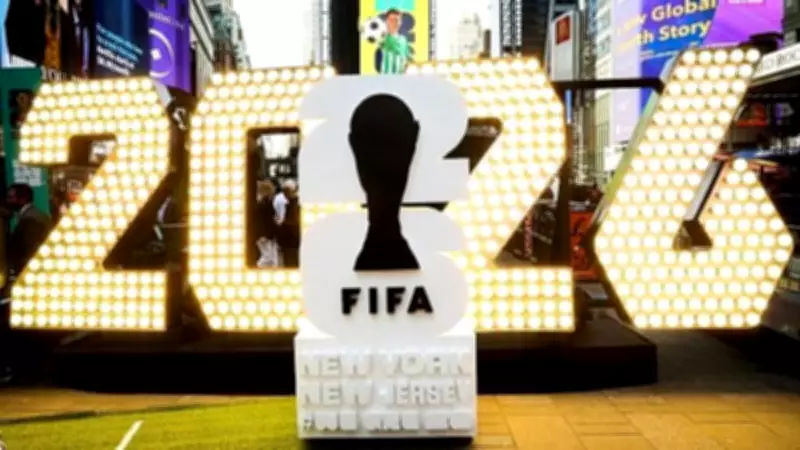
The international football governing body, FIFA, is facing a significant broadcast crisis ahead of the 2026 World Cup. Reports indicate that Reliance Industries, India's largest conglomerate, has offered a mere $20 million for the broadcast rights in the Indian subcontinent. This figure is drastically lower than the expected valuation, which was projected to be in the hundreds of millions. The low offer has raised concerns about FIFA's ability to secure lucrative broadcasting deals in key markets.
Reliance's Offer Falls Short
Reliance, which owns the Viacom18 network and streaming platform JioCinema, submitted a bid of approximately $20 million for the exclusive rights to broadcast the 2026 World Cup in India. This amount is significantly less than the $100 million that FIFA had anticipated from the Indian market. The disparity highlights the growing challenges FIFA faces in monetizing its premier event in emerging economies.
China Deal Remains Unannounced
Adding to FIFA's woes, a potential broadcast deal with China remains unannounced. Negotiations with Chinese broadcasters have been ongoing, but no agreement has been finalized. The lack of a deal in China, another massive market, further complicates FIFA's revenue projections for the 2026 tournament, which will be hosted by the United States, Canada, and Mexico.

Implications for FIFA's Revenue
The broadcast rights for the World Cup are a primary source of revenue for FIFA. The organization had budgeted for significant income from the Indian subcontinent and China. The current situation could lead to a shortfall, impacting FIFA's financial planning and investments in football development worldwide.
Market Dynamics
Industry experts suggest that the low offer from Reliance reflects changing media consumption habits in India, where streaming services are gaining prominence over traditional television. Additionally, the recent withdrawal of major players like Sony from the bidding process may have weakened competition, allowing Reliance to submit a lower bid.
FIFA's Response
FIFA has not officially commented on the reports. However, sources indicate that the organization is exploring alternative options, including direct negotiations with other broadcasters or launching its own streaming service in the region. The outcome of these discussions will be crucial for FIFA's financial health and the global reach of the World Cup.
As the 2026 tournament approaches, FIFA must resolve these broadcast issues to ensure maximum viewership and revenue. The situation remains fluid, with stakeholders closely watching developments in both India and China.

