Simultaneous Kick-offs Ensure Fair Play in FIFA World Cup 2026
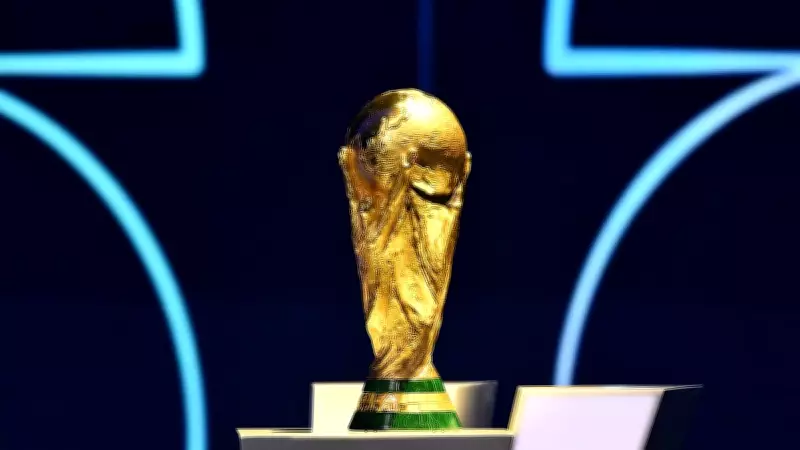
The last group-stage matches of the FIFA World Cup 2026 are being played simultaneously to uphold competitive integrity and prevent any manipulation of results. This scheduling practice, standard in major tournaments, ensures that teams in the same group play their final matches at the same time, eliminating any advantage from knowing other results.
How It Works
On the final matchday of each group, two matches kick off at the exact same time. For example, in Group A, both games start simultaneously. This prevents a team from playing after knowing the outcome of the other match, which could influence their approach or effort. The practice is designed to maintain fairness and avoid accusations of collusion or deliberate result manipulation.
Historical Context and Rules
FIFA introduced simultaneous kick-offs for the final group matches in the 1986 World Cup after several controversies. The rule is now standard in FIFA World Cups and other major tournaments like the UEFA European Championship. According to FIFA regulations, the last round of group matches must be played concurrently to ensure sporting integrity.

In the 2026 edition, which features 48 teams divided into 16 groups of three, the scheduling is slightly different. Each group has three teams, so only one match per group is played on the final matchday. However, all matches across different groups are still scheduled simultaneously to prevent any team from having prior knowledge of other results that could affect their qualification scenario.
Impact on Teams and Fans
For teams, this means they must focus solely on their own performance without waiting for other results. For fans, it creates an exciting climax as multiple matches unfold at once, with qualification and elimination decided in real time. Broadcasters often provide split-screen coverage to capture the drama across different venues.
Tejas Rao reports that the 2026 World Cup, hosted by the United States, Canada, and Mexico, has seen this system implemented seamlessly. The simultaneous matches have added to the tournament's intensity, with several groups going down to the wire.
Conclusion
Simultaneous kick-offs remain a cornerstone of FIFA World Cup integrity, ensuring that every team competes under equal conditions. As the tournament progresses, this practice continues to prevent any unfair advantage and upholds the spirit of fair competition.