Iran in Talks to Move FIFA World Cup 2026 Games from USA to Mexico
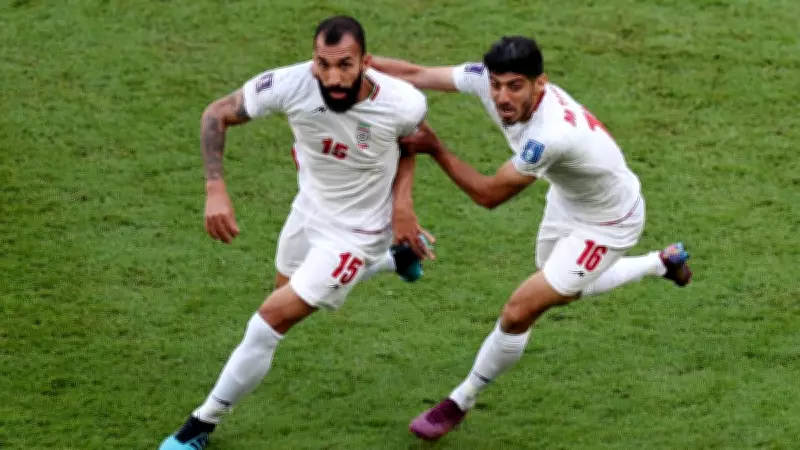
The Iranian embassy in Mexico has officially confirmed that Iran is actively negotiating with FIFA to shift its scheduled matches for the 2026 FIFA World Cup from the United States to Mexico. This development, reported on March 17, 2026, highlights significant geopolitical tensions influencing international sports events.
Political Motivations Behind the Proposed Move
According to sources, the Iranian ambassador to Mexico has publicly advocated for this relocation, expressing concerns over potential political risks associated with playing in the United States. Reports suggest that fears are centered around the policies of the Trump administration, which have historically strained US-Iran relations. The ambassador's statement, "FIFA fears Trump," underscores the apprehension that political dynamics could impact the safety and fairness of Iran's participation in the tournament.
Implications for the 2026 World Cup Host Nations
The 2026 FIFA World Cup is set to be jointly hosted by the United States, Canada, and Mexico, marking the first time the tournament will be held across three nations. Iran's request to move its games could disrupt the initial match schedule and logistical plans. If approved, this change would involve:

- Revised Venue Allocations: Matches originally slated for US stadiums would be relocated to Mexican venues, requiring adjustments in travel and accommodation for teams and fans.
- Diplomatic Considerations: The move could set a precedent for other nations to request similar changes based on political grounds, potentially complicating FIFA's neutrality in global sports.
- Operational Challenges: FIFA and local organizers would need to reassess security protocols, broadcasting arrangements, and ticket sales to accommodate the shift.
Broader Context of Sports and International Relations
This situation reflects the increasing intersection of sports and diplomacy, where geopolitical conflicts spill over into athletic competitions. Iran's negotiation efforts emphasize how nations leverage sports platforms to address political grievances and ensure perceived safety for their athletes. The outcome of these talks could influence future FIFA policies regarding host country selections and political interference in major tournaments.
As of now, FIFA has not issued an official statement on the matter, but the ongoing discussions are closely monitored by the global football community. The decision will likely hinge on balancing sporting integrity with diplomatic sensitivities, setting a crucial example for handling similar issues in international sports.