The dramatic plot of the Bollywood hit 'Chak De! India' might have been fictional, but the deep-seated divisions it portrayed within a women's hockey team mirror a persistent and painful reality for the sport in the country. Today, the senior Indian women's hockey team finds itself embroiled in a fresh crisis of unity and trust, leading to the resignation of its head coach and exposing old wounds of regionalism and internal rivalry.
Coach's Exit and Explosive Player Letters
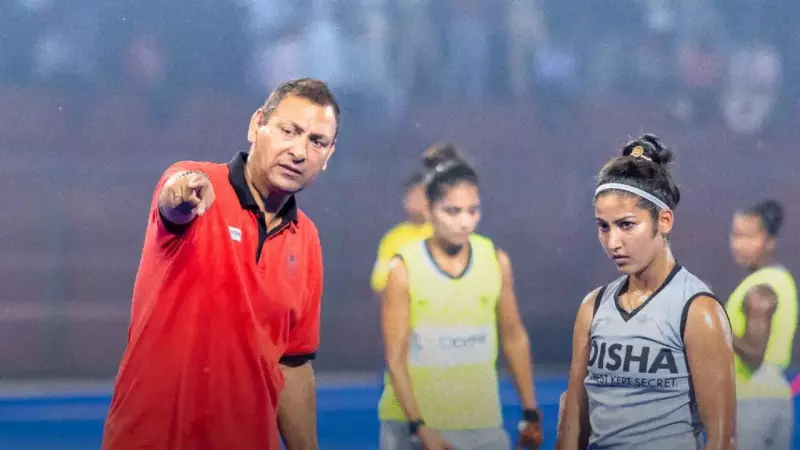
Harendra Singh, who had led the team for approximately a year and a half, stepped down from his position on Monday, officially citing personal reasons. However, his departure coincides with serious allegations of high-handed behavior and favoritism circulating within the squad. The turmoil came to light through two separate letters, reportedly signed by eight players including several seniors, addressed to the national federation, Hockey India.
The letters, which were accessed by media, paint a picture of a camp where trust has completely broken down. The athletes accuse captain Salima Tete and vice-captain Navneet Kaur of aligning with the former coach to protect their own positions in the team. "The conversations we have among ourselves in the hostel are passed on to the coach by the female staff and the captain/vice-captain, which damages our team unity," the players allege, describing an atmosphere rife with suspicion instead of camaraderie.

Allegations of Regional Bias and Leadership Failure
The correspondence goes further to highlight a troubling regional divide, explicitly mentioning the home state of the captain. "Our captain is from Jharkhand, and she does not have leadership qualities," one letter states. It also contains a serious accusation of intimidation: "She misused her position and threatens players, saying: 'Do you want to be in the next camp or not? I am the captain, I can do anything.'"
The letters also point to friction within the team's leadership itself, noting that the captain and vice-captain do not work cohesively. When concerns were raised with them, the players claim they still supported the coach because they were keen on retaining their leadership roles. The most damning indictment of the environment is a line that reads, "The team environment has become so bad that we do not want to come to the national camp."
A Systemic Problem in Need of Structural Reform
This is not an isolated incident in the history of Indian women's hockey. Similar episodes of internal discord have surfaced repeatedly over the decades. Notably, after a fourth-place finish at the 2010 Commonwealth Games, a support staff member filed a detailed report on the fractured team environment, but its findings were never made public.
Eminent sports psychologist Dr. Chaitanya Sridhar, who has extensive experience with national teams, identifies the root cause as a flawed system. She explains that the ecosystem prioritizes performance over building capacity and healthy interpersonal relationships. "Most players come from backgrounds with limited exposure. So, when they enter a national setup, they begin to classify themselves by region. This creates insecurity, unhealthy competition, and poor team dynamics. They lack a sense of connection," Dr. Sridhar stated.
She advocates for structural reforms rather than temporary fixes. For team sports to thrive, the focus must be on individual well-being. Authorities need to actively monitor team cohesion and ensure the presence of well-being coaches or specialized support staff. Dr. Sridhar emphasizes that for women's teams, having qualified female coaches and managers who understand and can support the players is absolutely vital.
Once again, Indian women's hockey stands at a critical crossroads. The resignation of Harendra Singh is a symptom of a much deeper malaise. Unless Hockey India addresses these allegations of favoritism and regional bias head-on and implements the necessary systemic changes, the fractures within the team risk widening further. This could push the team into a downward spiral at a time when it can least afford to lose its hard-earned momentum on the global stage.