World Curling Implements Immediate Rule Change Following Heated Olympic Match
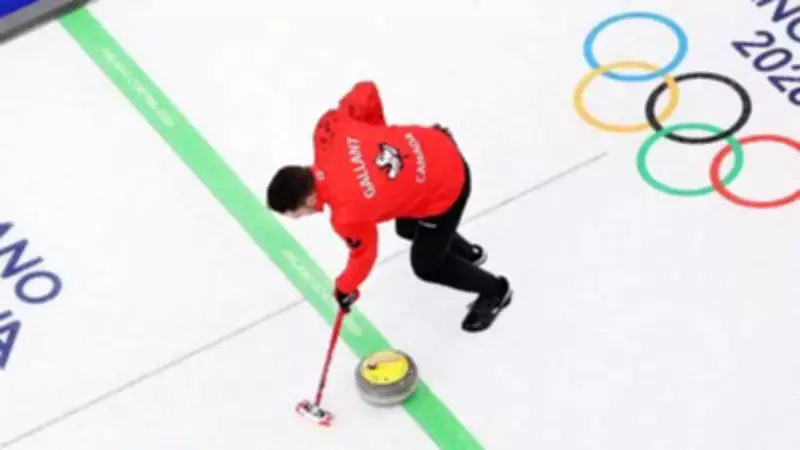
World Curling has enacted an immediate protocol adjustment following the intense men's curling match between Canada and Sweden at the Milan 2026 Winter Olympics. The decision emerged after arguments during the game raised significant questions about how deliveries are monitored and when officials should intervene.
New Protocol: Monitoring Only Upon Request
According to an official statement released after meetings with national teams, umpires will now observe deliveries exclusively when teams specifically request it. This fundamental change is designed to reduce on-ice tension and improve trust between competitors and officials. The updated approach maintains officials' ability to monitor deliveries but shifts the initiative to the teams themselves.
The Incident That Sparked Change
The protocol update follows a high-profile disagreement between Sweden's Oskar Eriksson and Canada's Marc Kennedy during Friday's Olympic match. The confrontation quickly became one of the most discussed incidents of the entire tournament, highlighting the pressure-cooker environment of Olympic competition.

The tension originated when Eriksson suggested Kennedy might have illegally touched a stone after its release. While modern curling uses electronic handles to detect many hog-line violations, certain judgments about stone delivery still depend on human observation once the stone leaves the player's hand. This gray area created substantial debate during the match and ultimately forced officials to intervene.
Initial Response and Investigation
World Curling initially followed its standard procedure by placing umpires at the hog line for three ends of the match. The organization later confirmed that no violations were detected during this monitoring period. Simultaneously, officials met with Team Canada and issued a verbal warning regarding language used during the match, reminding all teams that respectful conduct is mandatory under rule R.19 of curling regulations.
Implementation and Timing
The new protocol took effect beginning with the evening session on Sunday, February 15, at the Milan Olympics. World Curling stated the change aims to maintain fair competition while avoiding unnecessary conflicts that can distract from the sport itself. The update was first reported by CBC Sports journalist Devin Heroux, who has been covering the Olympic curling events extensively.
Player Reactions and Perspectives
Following the controversial match, both sides expressed their views openly. Swedish curler Oskar Eriksson emphasized, "We want a game that is as sportsmanlike, honest and clean as possible." Canadian skip Marc Kennedy responded by stating he felt wrongly accused, adding "I would never accuse you of cheating."
Canadian teammate Brad Jacobs defended his team's conduct, acknowledging emotions were running high but emphasizing the team's unity. "We stand together as a team," Jacobs stated, reflecting the competitive intensity that sometimes surfaces even in a sport traditionally known for its calm and respectful nature.
Broader Implications for the Sport
While curling is typically celebrated for its sportsmanship and gentlemanly conduct, this Olympic incident revealed how intense competition can become at the highest level. The new protocol represents a significant shift in officiating philosophy, giving teams greater control over when monitoring occurs while keeping focus on athletic performance rather than officiating disputes.
The change acknowledges the evolving nature of international curling competition, where technological advancements in equipment monitoring have created new dynamics between players, officials, and the rules themselves. By allowing teams to request monitoring only when they perceive potential issues, World Curling hopes to preserve the sport's integrity while minimizing confrontations that can detract from the Olympic spirit.