In a monumental achievement for Indian sports, the nation has been officially awarded the hosting rights for the 2030 Commonwealth Games. This landmark decision marks India's triumphant return as host of the prestigious multi-sport event after successfully organizing the 2010 Delhi Commonwealth Games.
Prime Minister Modi's Visionary Leadership
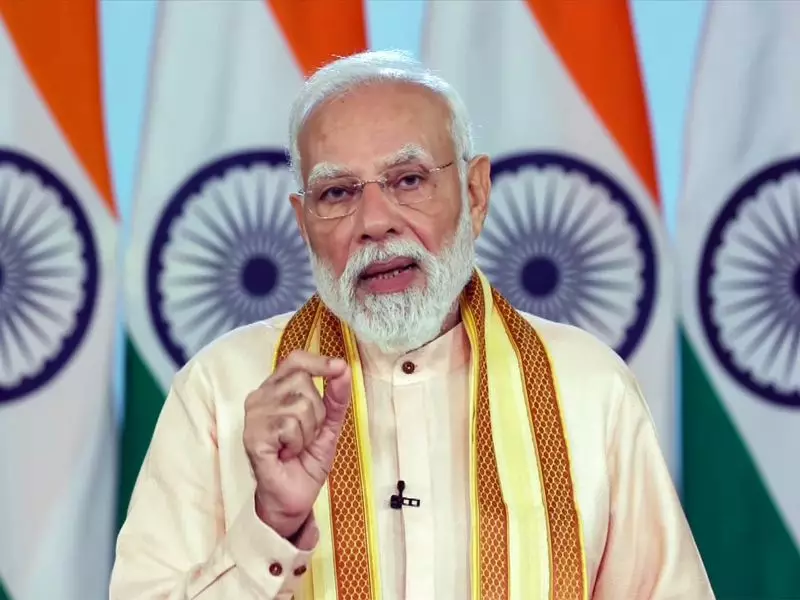
Prime Minister Narendra Modi expressed immense pride and satisfaction following the announcement, highlighting the significance of this achievement for India's sporting future. The Prime Minister emphasized that securing the hosting rights demonstrates India's growing stature in the global sports community and reflects the country's commitment to promoting sportsmanship and athletic excellence.
In his official statement, PM Modi specifically praised the collective commitment and spirit of sportsmanship that made this victory possible. He acknowledged the efforts of various stakeholders, including sports administrators, athletes, and government officials, who worked tirelessly to bring the games back to Indian soil.

Building on Past Success
India's previous hosting experience with the 2010 Commonwealth Games in Delhi provided a strong foundation for this successful bid. The 2010 event was noted for its impressive infrastructure development and organizational capabilities, despite facing some initial challenges. The upcoming 2030 games are expected to build upon these foundations while introducing innovative approaches to sports management and audience engagement.
The timing of this announcement is particularly significant as it aligns with India's broader vision of establishing itself as a global sporting powerhouse. With the successful organization of various international sporting events in recent years, including cricket world cups and athletic championships, India has consistently demonstrated its capability to host world-class tournaments.
Future Implications for Indian Sports
The awarding of the 2030 Commonwealth Games hosting rights is expected to have far-reaching consequences for sports development in India. This decision will accelerate infrastructure development across multiple cities, create numerous opportunities for athletes, and inspire younger generations to pursue sports as a career.
Sports authorities anticipate that the lead-up to the games will see substantial investments in training facilities, coaching programs, and athlete development initiatives. The extended preparation period allows for systematic planning and implementation of sports policies that could transform India's sporting landscape permanently.
Furthermore, the economic impact of hosting such a major international event is expected to be substantial, generating employment opportunities and boosting tourism. The games will showcase India's cultural diversity and organizational capabilities to a global audience, potentially attracting future international sporting events to the country.
As India prepares for this prestigious assignment, the focus remains on delivering an exceptional experience for athletes and spectators alike while leaving a lasting legacy for Indian sports. The successful bid represents not just a sporting achievement but a testament to India's growing influence in international sports governance and its commitment to promoting the values of the Commonwealth movement.