The future of Nordic combined, one of the most historic disciplines in Winter Olympic history, appears increasingly uncertain as it faces potential elimination from the Games program. This unique sport, which combines the aerial spectacle of ski jumping with the endurance challenge of cross-country skiing, may not survive beyond the upcoming Milan Cortina Winter Olympics in 2026.
A Sport Under Scrutiny
Olympic officials have placed Nordic combined under serious review due to two critical issues that threaten its continued presence on the world's biggest winter sports stage. The sport's exclusive nature—it remains the only Olympic event that does not allow women to compete—has become a significant point of contention in an era emphasizing gender equality in athletics.
Compounding this problem is the sport's limited global appeal. Despite its rich heritage dating back to the inaugural Winter Olympics in 1924, Nordic combined struggles to attract new fans and maintain widespread international interest. The competitive landscape remains dominated by just a handful of nations, creating a predictable pattern that fails to capture global imagination.

Delayed Decision on Olympic Future
The International Olympic Committee was expected to make a definitive ruling last year regarding Nordic combined's inclusion in the 2030 French Alps Winter Games. However, this crucial decision has now been postponed until spring, extending the uncertainty surrounding this traditional discipline.
The Mechanics of Nordic Combined
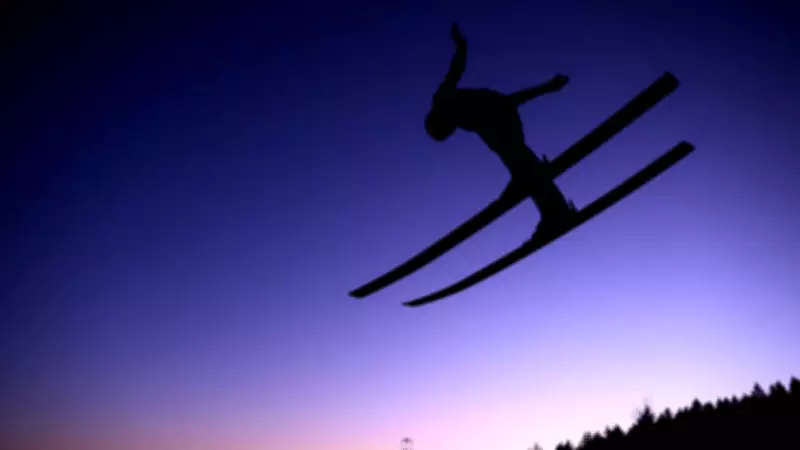
Originating in Norway during the late 19th century, Nordic combined was specifically designed to test the capabilities of the most complete skier. The competition begins with the ski jumping segment, where athletes earn points based on both the distance of their jump and their technical style during flight.
These jumping points are then converted into time advantages for the subsequent cross-country race. The athlete who performs best in the ski jumping portion starts first in the 10-kilometer cross-country race, with other competitors following at intervals determined by their time handicaps. The first athlete to cross the finish line claims the gold medal.
Team Competition Format
In the team event, four athletes from each nation compete together. They first complete individual ski jumps, then participate in a relay-style cross-country race where their combined performance determines the final standings.
Memorable Olympic Moments
Throughout its Olympic history, Nordic combined has produced numerous dramatic moments that have captivated winter sports enthusiasts. Norway and Finland established early dominance in the competition, creating a Nordic stronghold that lasted for decades.
This pattern was dramatically broken in 1960 when West Germany's Georg Thoma captured gold, signaling the sport's growing internationalization. A landmark moment occurred in 2010 when the United States reached the podium for the first time, with Johnny Spillane winning silver and Bill Demong claiming gold in individual events, while the American team also secured silver in the team competition.
Recent Olympic Drama
The Beijing 2022 Winter Games provided one of the most dramatic chapters in Nordic combined history. Norwegian athlete Jarl Magnus Riiber established a commanding lead after the ski jumping segment, only to take a wrong turn during the cross-country race and lose his medal opportunity entirely. His teammate Jørgen Graabak capitalized on this misfortune to secure the gold medal instead.
With both Riiber and Graabak now retired from competition, the field has opened up for new talent. Early stars emerging in the 2025-26 World Cup season include Austria's Johannes Lamparter and Germany's Julian Schmid, who represent the next generation of Nordic combined athletes.
Upcoming Milan Cortina Events
The Nordic combined competitions at the Milan Cortina 2026 Winter Olympics are scheduled to run from February 11 to February 19. These events will take place in the picturesque Italian venues of Predazzo and Tesero, located in the renowned Val di Fiemme region known for its winter sports heritage.

Potential Consequences of Removal
If Olympic officials ultimately decide to drop Nordic combined from future Games, the impact would be substantial. Numerous dedicated athletes who have trained for years specifically for Olympic competition would see their dreams disrupted. Additionally, women skiers who compete internationally in Nordic combined events would face particular disappointment, as they have campaigned vigorously for Olympic inclusion despite the current gender restrictions.
The coming months will prove decisive for this historic sport. As spring approaches and the IOC prepares to make its final determination, the entire Nordic combined community awaits news that will determine whether this unique discipline continues to grace the Olympic stage or becomes a footnote in winter sports history.