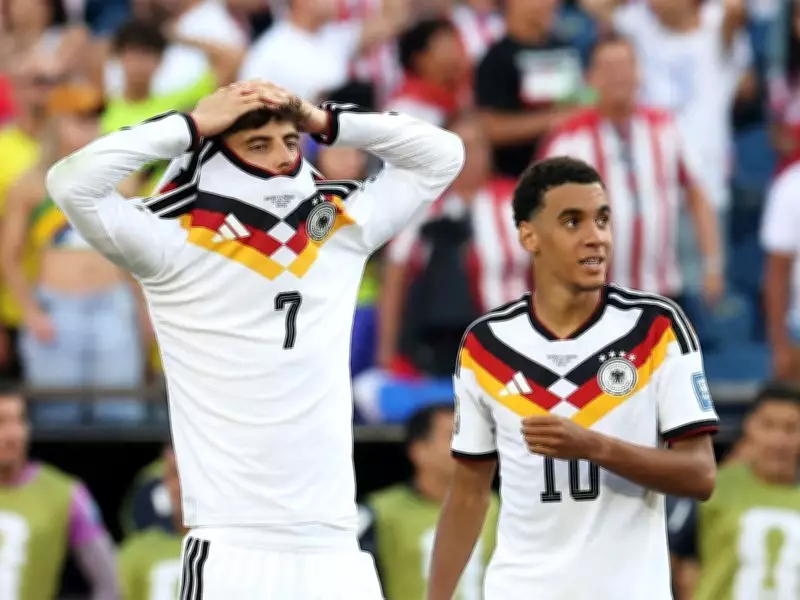
Pierluigi Collina, FIFA's referees chief, has reiterated that attacking players who deliberately obstruct defenders or goalkeepers will face punishment, following a controversial VAR decision that disallowed a potential match-winning goal for Germany against Paraguay in the FIFA World Cup 2026 Round of 32. According to ESPN, Collina emphasized that such tactics will be closely scrutinized by match officials and the Video Assistant Referee (VAR) throughout the tournament.
Disallowed Goal Leads to Germany's Exit
The four-time champions Germany suffered a surprise exit after losing to Paraguay in a penalty shootout. The decisive moment came in extra time when defender Jonathan Tah appeared to score, only for the goal to be disallowed after a VAR review. Officials ruled that Germany's Waldemar Anton had fouled Paraguay goalkeeper Orlando Gill in the build-up, despite replays showing only slight contact as Anton pushed Gill to the ground. The decision drew criticism from some observers, but Germany ultimately lost the match on penalties, with Tah missing the decisive spot-kick by sending his effort over the crossbar.
Collina's Clarification on Attacking Obstruction
Collina explained that while merely holding a position is not a foul, intentionally moving to block an opponent from defending crosses the line. "Although keeping a position is not a foul per se, when an attacking player is not interested in the ball and deliberately moves, even marginally, with the clear intention of obstructing opponents' movement and prevents him from defending, then referees, and VAR when needed, should carefully analyze the incident and intervene," Collina said. He stressed that special attention would be paid to situations where attacking players attempt to impede goalkeepers from defending their goal.

"This is especially the case when the tactic aims to prevent the opposing goalkeeper from being able to defend the goal. Coaches and players were informed so it should come as no surprise that referees will punish these fouls. These measures have all been very effective and unanimously considered as very positive innovations," he added.
Implications for the Tournament
The incident has sparked debate about the interpretation of obstruction in football, particularly in high-stakes matches. Collina's comments serve as a reminder that FIFA is committed to enforcing rules against deliberate interference, aiming to protect goalkeepers and ensure fair play. As the World Cup progresses, teams will need to adjust their set-piece tactics to avoid similar penalties.