Monica Seles Embraces Gym Return While Navigating Rare Autoimmune Condition
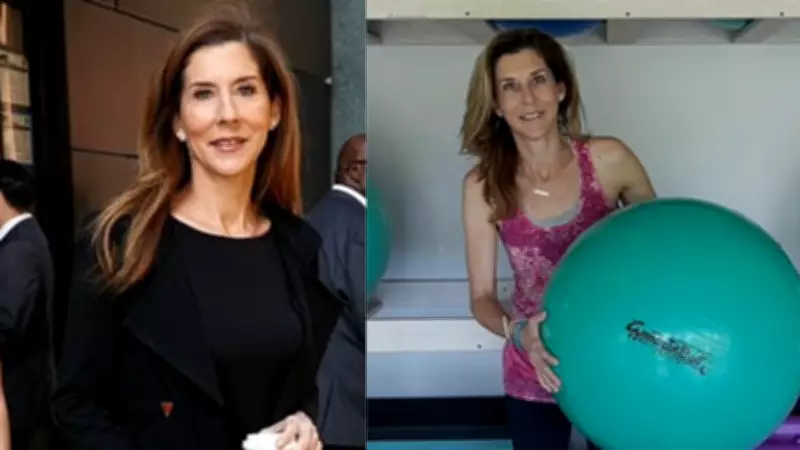
Tennis icon Monica Seles has made a poignant return to the gym, a step that transcends mere physical activity for the 52-year-old champion. The nine-time Grand Slam winner is courageously living with myasthenia gravis, a rare and incurable autoimmune disorder that progressively weakens muscle strength. Over the weekend, Seles shared a heartfelt gym photo alongside a message about beginning anew, even when the timing feels delayed.
A Public Revelation and Personal Resilience
Seles first disclosed her diagnosis publicly last year, revealing how the disease has profoundly altered her daily existence in unexpected ways. Despite these challenges, she remains committed to movement, self-compassion, and maintaining hope. Her recent social media post notably shifted focus away from conventional strength or achievement goals, instead highlighting the simple yet powerful act of showing up. For an athlete whose life has been marked by abrupt changes, physical pain, and multiple comebacks, this gym session represents another quiet but significant stride forward.
In Her Own Words: Starting Late with Kindness
In her gym update, Monica Seles wrote, “I’m a little late on my New Year’s resolution, but I’m reminding myself to be kind and to embrace the idea that it’s better to start late than not at all.” The accompanying image showed her holding a medicine ball, dressed modestly, with no effort to conceal the realities of her health condition.

Seles revealed in August 2024 that she received the myasthenia gravis diagnosis in 2022. Speaking candidly to the Associated Press, she admitted it took considerable time to accept the diagnosis and discuss it openly. “It affects my day-to-day life quite a lot,” she stated comprehensively.
Understanding Myasthenia Gravis and Its Impact
According to the National Institute of Neurological Disorders and Stroke, myasthenia gravis is a chronic ailment that induces weakness in voluntary muscles. It frequently targets the eyes, arms, and facial regions, with symptoms encompassing double vision and extreme fatigue. Seles recalled first noticing irregularities while practicing tennis; she began missing shots and occasionally perceived two balls instead of one.
Routine activities became arduous. Drying her hair felt exhausting, and lifting her arms resulted in noticeable weakness. Prior to consulting a physician, she had no prior knowledge of the disease. “When I got diagnosed, I was like, ‘What?!’” she told the Associated Press. She also expressed a wish that someone had discussed the condition earlier, enabling her to better comprehend the changes occurring within her body.
A Life of Remarkable Comebacks
Monica Seles is intimately familiar with rebuilding. At just 16, she became the youngest French Open champion in 1990 after defeating Steffi Graf. She subsequently dominated women’s tennis until her career was violently disrupted in 1993, when she was stabbed during a match in Hamburg. She made a triumphant return to the sport two years later, clinching the Canadian Open and advancing to the US Open final.
Reflecting on her journey, Seles acknowledges that life has compelled her to reset on numerous occasions. Her current health battle constitutes another such reset. Yet, she firmly believes in adapting and progressing forward, even when the path ahead remains uncertain.