Bharat Taxi: A New Era in Indian Ride-Hailing
The Indian ride-hailing market is witnessing a significant transformation with the introduction of Bharat Taxi, a homegrown platform designed to cater specifically to the diverse needs of Indian commuters and drivers. As the sector evolves beyond established players, this new entrant promises a tailored experience that addresses local challenges while leveraging technology for efficiency and inclusivity.
1. Multilingual Interface for Widespread Accessibility
One of the standout features of Bharat Taxi is its multilingual support, which includes major Indian languages such as Hindi, Tamil, Telugu, Bengali, and Marathi. This design choice ensures that users from various linguistic backgrounds can navigate the app comfortably, reducing barriers for non-English speakers and enhancing usability across urban and rural areas. By prioritizing local languages, the platform aims to democratize access to digital ride-hailing services, making it more inclusive for a broader demographic.
2. Transparent and Dynamic Pricing Model
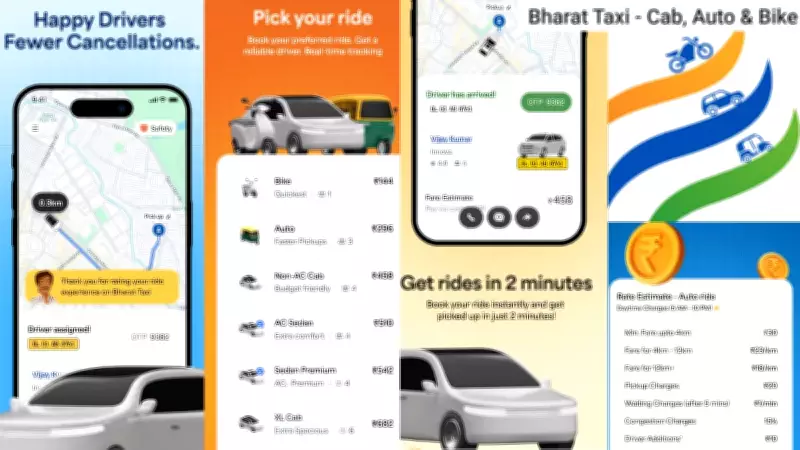
Bharat Taxi implements a transparent pricing mechanism that provides real-time fare estimates before booking, with no hidden charges. The dynamic pricing algorithm factors in traffic conditions, demand surges, and route variations, but it is calibrated to avoid excessive spikes common in other apps. This approach builds trust with riders by offering predictability and fairness, while also ensuring drivers receive competitive compensation based on market conditions.

3. Enhanced Safety Features for Passengers
Safety remains a top priority, and Bharat Taxi integrates several advanced security measures to protect passengers. These include:
- Real-time ride tracking with shareable links for family or friends.
- In-app emergency buttons that connect to local authorities or designated contacts.
- Driver verification processes with background checks and regular audits.
- Vehicle details and driver profiles accessible before and during the trip.
These features are designed to provide peace of mind, especially for women, elderly, and solo travelers, fostering a safer commuting environment.
4. Driver-Centric Incentives and Support
For drivers, Bharat Taxi offers a suite of benefits aimed at improving earnings and job satisfaction. Key incentives include:
- Higher commission rates compared to industry averages, allowing drivers to retain more of their earnings.
- Flexible working hours with no mandatory shifts, enabling part-time or full-time engagement.
- Access to financial services such as loans and insurance partnerships for vehicle maintenance and personal needs.
- Training programs on customer service and app usage to enhance operational efficiency.
By focusing on driver welfare, the platform seeks to attract and retain a reliable fleet, which in turn improves service quality for riders.
5. Integration with Local Transport and Digital India Initiatives
Bharat Taxi aligns with broader Digital India goals by integrating with public transport systems and supporting cashless transactions. The app allows users to book rides that connect with metro stations, bus stops, or railway hubs, promoting multimodal travel. Additionally, it supports various payment methods, including UPI, digital wallets, and credit/debit cards, encouraging financial inclusion and reducing dependency on cash. This integration not only enhances convenience but also contributes to urban mobility solutions and the government's vision of a digitally empowered society.
Impact on the Indian Ride-Hailing Ecosystem
The launch of Bharat Taxi represents a strategic move to create a more balanced and localized ride-hailing ecosystem in India. By addressing specific pain points—such as language barriers, pricing transparency, safety concerns, and driver livelihoods—the platform positions itself as a viable alternative to global competitors. Its emphasis on inclusivity and support for local stakeholders could drive adoption in tier-2 and tier-3 cities, expanding the market beyond metropolitan areas.

As the platform scales, it may stimulate competition, leading to improved services and innovation across the industry. For Indian riders, this means more choices and better experiences; for drivers, it offers enhanced economic opportunities and professional growth. Ultimately, Bharat Taxi's success will depend on its execution and ability to adapt to evolving user needs, but its initial features suggest a promising step toward a more equitable and efficient transportation network in India.