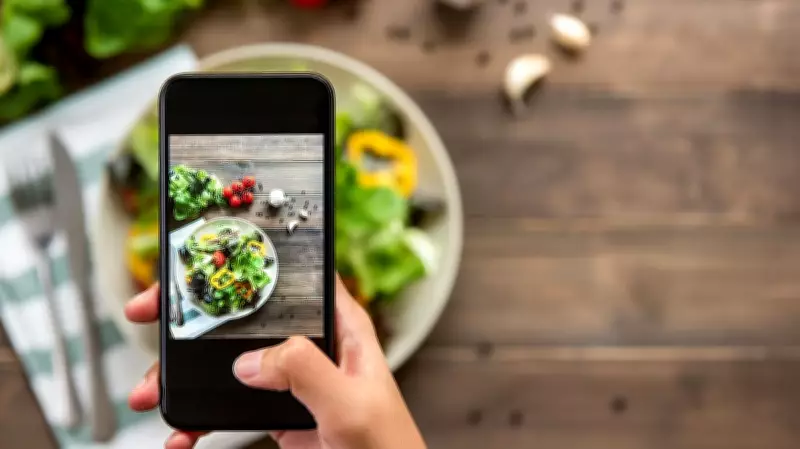
A recent study has revealed that photo-based calorie-tracking applications, which use artificial intelligence to estimate the nutritional content of meals, may significantly underestimate the actual energy and fat content. On average, these apps misjudged calorie counts by 250 to 345 calories and fat content by roughly 30 grams per meal, according to researchers.
Study Details and Methodology
The analysis, published in a peer-reviewed journal, examined several popular fitness and wellness apps that allow users to take a picture of their food to automatically log nutrients. Researchers tested the apps against laboratory-analyzed meals of known composition. The study found consistent underreporting across all apps tested, with errors varying by meal type and complexity.
“While these apps offer convenience, our findings show they are not yet accurate enough for precise dietary monitoring,” said the lead author. The discrepancy was particularly pronounced for mixed dishes, such as curries or salads with multiple ingredients, where the AI struggled to identify portions and hidden fats.

Impact on Users and Dietary Goals
For individuals relying on these tools for weight management or medical conditions like diabetes, systematic underestimation could lead to unintended calorie surpluses and hindered progress. A difference of 300 calories per meal could result in an extra 900 calories daily—enough to derail many diet plans. Fat underestimation of 30 grams per meal also poses risks for those tracking fat intake for heart health.
The study calls for developers to improve algorithm training with diverse cuisines and portion sizes. Until then, experts recommend using these apps as rough guides rather than precise trackers, and complementary methods like traditional logging or consulting a dietitian.
Industry and Consumer Response
App developers have acknowledged the limitations. A spokesperson for a major wellness app stated, “We continuously refine our AI models with more data, but users should be aware that any automated tool has inherent uncertainty.” The fitness industry has seen a surge in AI-driven nutrition tools, but this study underscores the gap between convenience and accuracy.
Consumers are advised to cross-check app estimates with known nutritional information and to prioritize whole, unprocessed foods where portion estimation is easier. As AI in healthcare evolves, precise food recognition remains a challenging frontier.