

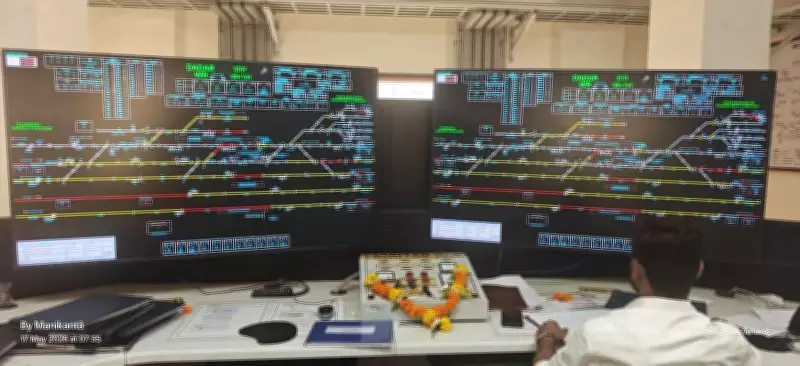
MUMBAI: In a significant step towards modernising Mumbai’s suburban railway network, Dadar Railway Station on Sunday successfully commissioned the Electronic Interlocking system with distributed architecture. Electronic interlocking is a computer-based signalling system that uses advanced electronic controls to manage train movements with greater precision and efficiency. The new system is also expected to improve commuter safety and enable faster movement of outstation trains on Western Railway.
The new system is now fully operational, replacing the conventional Panel Interlocking system that had been in service at the station since April 1992, Western Railway Chief Spokesperson Vineet Abhishek said. Dadar is one of Mumbai’s busiest and most strategically important railway stations, serving as a key interchange between Western Railway, Central Railway and the city’s expanding Metro network. Its role in connecting the northern and southern parts of the Mumbai Metropolitan Region makes it a crucial hub for daily suburban operations and passenger movement.
With this commissioning, Dadar has been upgraded to a modern Electronic Interlocking system capable of handling 112 operational routes. The new arrangement is expected to significantly improve safety, reliability, operational flexibility and ease of maintenance. The upgrade marks a technological leap from the outdated Panel Interlocking system, which relied on manual lever frames and relays. The Electronic Interlocking system uses microprocessors and software to control signals and points, reducing human error and enabling faster response times. This will not only enhance safety for millions of daily commuters but also improve the efficiency of train operations, allowing for better management of the high traffic density at Dadar station.

The commissioning was carried out after meticulous planning and testing to ensure seamless integration with existing infrastructure. Western Railway officials stated that the new system will also facilitate future upgrades and expansion, aligning with the broader modernisation goals of Mumbai's suburban rail network. Commuters are expected to benefit from reduced delays and improved punctuality, as the system optimises train movements and minimises conflicts. This development underscores the commitment to leveraging technology for enhancing urban mobility and passenger experience.






