

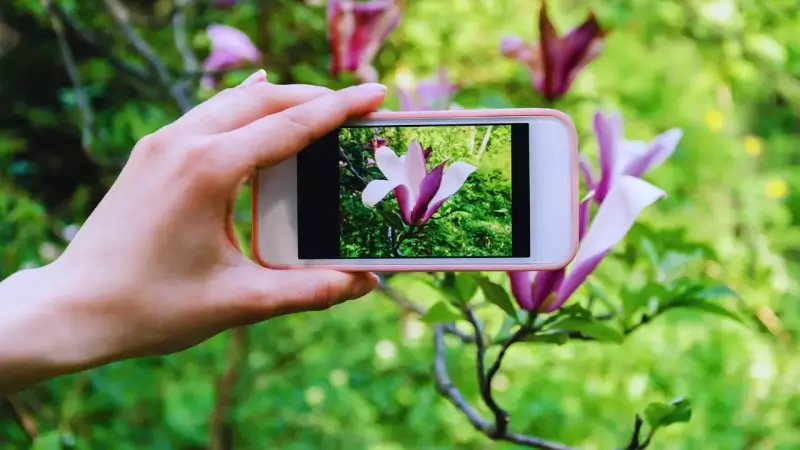
In an era where a smartphone can be a gateway to the natural world, identifying the plants in your own backyard has become an effortless task. For the casual nature lover, the passionate gardener, or the avid photographer, a new generation of plant identification apps is putting botanical expertise right at your fingertips. These powerful tools do more than just name a species; they open up a world of learning about local biodiversity, spotting rare medicinal herbs, and even steering clear of poisonous plants.
More Than Just Gardening: The Power of Plant Apps
The utility of these applications extends far beyond the garden fence. They have become indispensable companions for students, travelers exploring India's diverse landscapes, and photographers capturing the beauty of wild flora. A significant feature of many of these platforms is their contribution to citizen science. By simply uploading your plant observations, you can actively contribute to global ecological databases, aiding vital conservation research conducted by scientists worldwide. This means your curiosity about a flower in your Delhi home garden or a tree in a Mumbai park can directly support environmental science.
Your Guide to the Top 5 Plant Identification Apps
The process is universally simple and thrilling: snap a clear photo of a leaf, flower, or bark, upload it to the app, provide some basic details like your location and the time of year, and within seconds, the mystery is solved. Here are the five best apps to help you discover exactly what's growing around you.

iNaturalist: For the Citizen Scientist
Developed through a collaboration between the California Academy of Sciences and the National Geographic Society, iNaturalist is a premier platform for identifying not just plants, but also animals and fungi. You upload a photo, and the app's AI, combined with input from its vast user community, suggests possible species. Its standout feature is its role in global scientific collaboration, where every observation you share feeds into real-world biodiversity research.
PlantNet: The Plant Lover's Companion
If you love gardening and learning about flora, PlantNet is your ideal everyday helper. This community-driven app, backed by research institutions, allows you to identify both wild and ornamental plants using photos of their leaves, flowers, fruits, or bark. Its database is both extensive and reliable, covering over 20,000 plant species, and it is completely free to use.
LeafSnap: The Tree Specialist
Are you fascinated by trees? Then LeafSnap is a must-have on your phone. Originally created by researchers from Columbia University and the Smithsonian Institution, this app specializes in identifying tree species primarily through photographs of their leaves. It boasts a sleek, user-friendly interface and is renowned for its accurate results for trees and shrubs.
PlantSnap: The Global Plant Encyclopedia
PlantSnap offers one of the most extensive databases, with information on over 600,000 plant species from across the globe. Its AI-powered image recognition can identify a wide array of flora, including flowers, succulents, mushrooms, and trees. A major advantage for travelers is its offline functionality; you can download region-specific databases ahead of time for use in remote areas. For the best results, ensure your photos are clear and well-focused.
PictureThis: Speed and Expert Care Advice
When you need a quick and accurate identification, PictureThis delivers with remarkable speed and reliability. A simple photo is all it takes for the app to reveal the plant's identity and provide a wealth of information, including care instructions, ideal habitats, and growth patterns. Its paid version offers even more value with features like plant disease diagnosis, pest detection, and personalized gardening tips.
This technological revolution in botany is not just exciting and fun; it's a powerful tool that connects us more deeply with the environment and empowers everyone to become a citizen scientist, contributing to a greater understanding of our planet's precious biodiversity.






