AI Technology Could Revolutionize Indian Port Operations and Save Billions
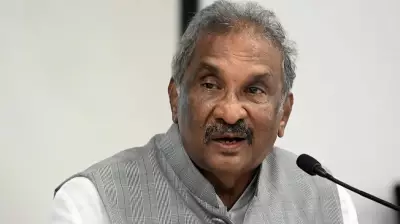
A senior member of the Economic Advisory Council to the Prime Minister (EAC-PM) has made a compelling case for India to urgently adopt new technologies, particularly artificial intelligence, in its port infrastructure. According to the official, implementing AI solutions in cargo handling operations has the potential to generate massive savings of approximately Rs 20,000 crore for the Indian economy.
Maritime Dominance with Infrastructure Challenges
The EAC-PM member emphasized that maritime transport remains the backbone of India's international trade, accounting for a staggering 95 per cent of total trading volumes. Despite this overwhelming reliance on sea routes, India's port infrastructure continues to face significant capacity constraints that hinder optimal performance.
"In spite of annual growth of 13.5 per cent, our ports are not comparable to the biggest ports of the world as far as the handling capacity is concerned," the official stated, highlighting a critical gap between India's growing trade volumes and its port infrastructure capabilities.

The AI Solution for Enhanced Efficiency
The proposed integration of artificial intelligence into port operations represents a transformative opportunity for India's logistics sector. AI technologies could optimize multiple aspects of cargo handling including:
- Automated container management systems
- Predictive maintenance for port equipment
- Intelligent scheduling of vessel arrivals and departures
- Real-time tracking of cargo movements
- Data-driven decision making for resource allocation
These technological advancements would not only improve operational efficiency but also significantly reduce turnaround times for ships, minimize cargo damage, and enhance overall port productivity.
Economic Implications and Global Competitiveness
The potential Rs 20,000 crore savings from AI implementation represents a substantial economic benefit that could be reinvested in further infrastructure development or passed on to businesses through reduced logistics costs. This technological leap forward is particularly crucial as India seeks to strengthen its position in global trade networks and compete with major international ports.
The EAC-PM member's comments underscore the growing recognition among policymakers that technological innovation must be at the forefront of India's infrastructure development strategy. As the country continues to experience robust trade growth, bridging the gap between volume expansion and handling capacity through AI adoption has become an economic imperative.
This call for technological transformation in port operations comes at a critical juncture when India is actively working to enhance its logistics efficiency and reduce the cost of doing business. The integration of artificial intelligence could serve as a catalyst for making Indian ports world-class facilities capable of handling future trade demands while generating substantial economic savings.