AI in Public Healthcare: Revolutionizing Access or Widening the Digital Divide?
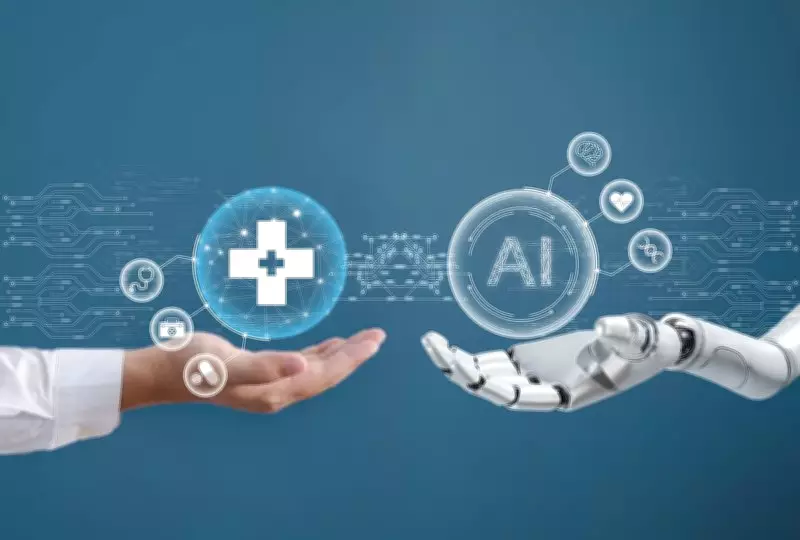
Artificial intelligence is rapidly emerging as a transformative force in India's public healthcare sector. The integration of AI technologies promises to reshape how medical services are delivered across the nation, from bustling urban centers to remote rural areas.
The Promise of AI in Healthcare
AI-powered diagnostics, predictive analytics, telemedicine platforms, and digital health records are at the forefront of this technological revolution. These innovations offer the potential to address long-standing challenges in India's healthcare system, including uneven access to medical services, high out-of-pocket expenditures for patients, and significant disparities between rural and urban healthcare infrastructure.
For a country that has been grappling with these systemic issues, AI appears to provide a much-needed breakthrough. The technology could enhance efficiency, improve diagnostic accuracy, and make healthcare more accessible to underserved populations through remote monitoring and virtual consultations.

The Challenge of Ensuring Equity
However, as India moves forward with AI integration in healthcare, a critical question emerges: Will this innovation strengthen universal healthcare or deepen existing inequalities? The digital divide remains a substantial barrier, with many communities lacking reliable internet access, digital literacy, or the necessary infrastructure to benefit from AI-driven healthcare solutions.
Experts warn that without careful implementation and inclusive policies, AI could inadvertently widen the gap between those who can access advanced healthcare technologies and those who cannot. This concern is particularly relevant in rural areas where healthcare resources are already limited.
Balancing Innovation with Inclusion
The successful integration of AI in public healthcare requires a balanced approach that prioritizes both technological advancement and equitable access. Policymakers must consider how to bridge the digital divide while harnessing AI's potential to improve healthcare outcomes nationwide.
This involves investing in digital infrastructure, promoting digital literacy, and ensuring that AI solutions are designed with diverse populations in mind. Only through such comprehensive strategies can India ensure that AI truly revolutionizes healthcare access rather than creating new forms of exclusion.