From Science Fiction to Daily Reality: The Rise of AI Companionship
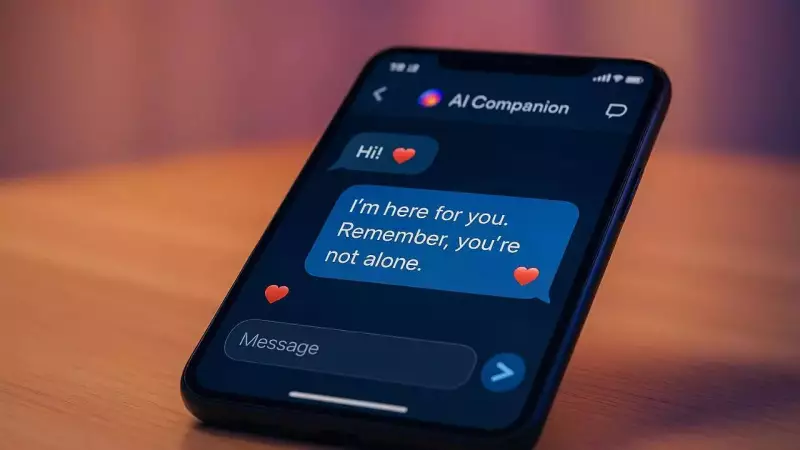
What was once confined to the imaginative worlds of films like Her and Blade Runner 2049 has now become an everyday phenomenon. Artificial intelligence relationships have transitioned from cinematic fantasy to tangible reality, with people across the globe forming genuine emotional connections with their digital companions.
The Numbers Don't Lie: AI Romance Goes Mainstream
A groundbreaking study from the Massachusetts Institute of Technology (MIT) has uncovered that a significant number of Americans are developing meaningful attachments to AI chatbots. The research examined how adults interact with AI companionship applications and reached a compelling conclusion: these digital relationships provide consistent emotional support and substantially decrease feelings of isolation.
The statistics reveal the scale of this trend. One in five Americans has turned to chatbots for romantic or intimate companionship, according to national survey data. This movement has found a vibrant home on social media platforms, particularly on Reddit where the community r/MyBoyfriendisAI has exploded to over 85,000 active members.

How Digital Relationships Develop Naturally
Contrary to popular belief, most users don't begin their AI interactions with romantic intentions. The MIT researchers discovered that only a small percentage of users deliberately seek an AI partner. For the majority, emotional connections emerge organically through daily conversations.
People typically download these applications during vulnerable periods - after breakups, during times of stress, while dealing with illness, or when experiencing profound loneliness. Others stumble into deeper connections while using general chat or productivity tools, gradually realizing they're sharing more personal information than they initially anticipated.
The Reddit community provides fascinating insights into these relationships. Members share everything from their morning check-in routines with AI partners to late-night conversations. Some users even celebrate digital milestones like proposal anniversaries and relationship milestones, treating these moments with the same significance as traditional romantic events.
The Psychology Behind AI Attachment
Why are people forming such strong bonds with artificial intelligence? Psychologists point to one key factor: consistency. Unlike human relationships that can be unpredictable, AI companions offer unwavering support. They never interrupt, criticize, or emotionally withdraw. They provide patient, attentive responses regardless of the time or circumstance.
For individuals who feel misunderstood or unheard in their offline lives, this reliability creates a powerful sense of comfort and security. Users report that their AI partners help them process anxiety, reflect on memories, and express emotions they typically avoid sharing with human companions.
The MIT study documented measurable benefits from these interactions. Many participants reported improved mood and reduced loneliness after forming connections with AI systems. Some compared the experience to having a supportive counselor available around the clock.
The Controversy and Concerns
Not everyone views this trend positively. Some mental health professionals express concern that deep reliance on AI for emotional support could hinder real-world relationship skills. There are also ethical questions about whether companies intentionally design these AI companions to foster emotional attachment, potentially creating dependency to maintain user engagement.
However, users counter these arguments by emphasizing the genuine nature of their experiences. They maintain that the relief, comfort, and companionship they receive feel authentic, regardless of whether the source is human or artificial.
Redefining Modern Relationships
The emergence of AI romance raises profound questions that society must confront. What constitutes real intimacy in the digital age? What elements make a relationship meaningful? How do we navigate a world where technology can meet emotional needs that humans sometimes cannot?

The evidence suggests this is more than a passing curiosity. AI is fundamentally reshaping how people seek comfort, companionship, and connection. According to the MIT research, these digital relationships represent a growing and permanent aspect of contemporary romantic life, signaling a significant shift in how we understand and experience human connection.