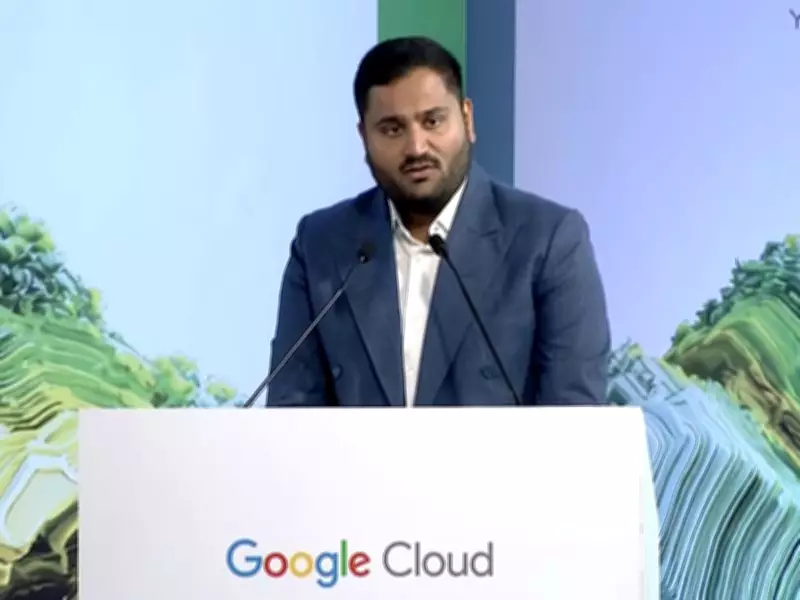
Jeet Adani, Director of the Adani Group, emphasized that while artificial intelligence (AI) is written in code, it fundamentally runs on electricity. Speaking at an industry event, he highlighted India's structural advantage in this domain, citing the country's robust electricity grid, rapid expansion of renewable energy, and strong digital infrastructure.
India's Competitive Edge in AI
Adani pointed out that AI requires massive computational power, which in turn demands reliable and affordable electricity. India's power sector has made significant strides in recent years, with increased generation capacity and improved transmission networks. The country's focus on renewable energy, particularly solar and wind, provides a sustainable and cost-effective energy source for data centers and AI operations.
Digital Infrastructure and Policy Support
Beyond electricity, India's digital public goods like Aadhaar, UPI, and the India Stack have created a fertile ground for AI adoption. The government's supportive policies, including the National AI Strategy and investments in research, further strengthen the ecosystem. Adani noted that India's young population and large pool of tech talent are additional assets.

Challenges and Opportunities
While India has advantages, challenges remain, such as ensuring equitable access to electricity in rural areas and managing the environmental impact of increased energy consumption. However, Adani expressed confidence that India is well-positioned to become a global hub for AI development and deployment, driving economic growth and innovation.
In conclusion, Jeet Adani's remarks underscore the critical intersection of energy and technology, positioning India as a key player in the AI revolution.