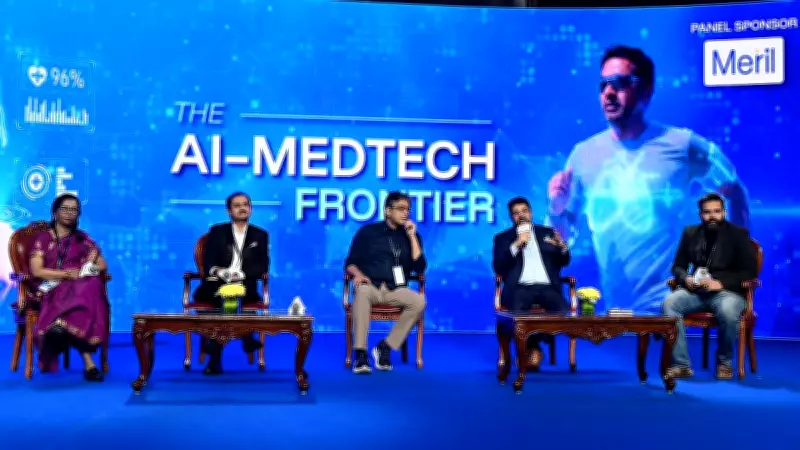
Bengaluru 2040 Summit: AI Set to Revolutionize Healthcare Delivery
At the recent Bengaluru 2040 Summit, a landmark event focused on the city's future development, industry leaders and technology experts unveiled a transformative vision for healthcare. The consensus was clear: artificial intelligence (AI) is poised to fundamentally shift healthcare services from traditional hospital settings to the comfort of patients' homes. This paradigm change aims to enhance accessibility, reduce costs, and improve overall health outcomes for residents across Karnataka and beyond.
Key Predictions and Technological Innovations
During the summit, discussions highlighted several AI-driven innovations expected to dominate the healthcare landscape by 2040. Remote monitoring devices, powered by advanced algorithms, will enable continuous health tracking from home, alerting medical professionals to potential issues before they escalate. Telemedicine platforms, integrated with AI diagnostics, will provide real-time consultations and personalized treatment plans, reducing the need for physical hospital visits.
Experts emphasized that this shift will not eliminate hospitals but redefine their role.Hospitals are anticipated to transition into centers for complex surgeries and critical care, while routine check-ups and chronic disease management move to home-based systems. This reallocation of resources is projected to alleviate overcrowding in medical facilities and streamline healthcare delivery.

Benefits and Challenges of Home-Based AI Healthcare
The move towards AI-enabled home healthcare offers numerous advantages. Patients will experience greater convenience and comfort, receiving care in familiar environments. Early detection of health issues through AI analytics could lead to preventive interventions, lowering hospitalization rates. Additionally, this model promises significant cost savings for both healthcare providers and patients by minimizing infrastructure expenses and travel costs.
However, challenges remain in implementing this vision.- Ensuring robust data privacy and cybersecurity to protect sensitive health information.
- Bridging the digital divide to provide equitable access to AI technologies across all socioeconomic groups.
- Training healthcare professionals to adapt to new AI tools and remote care protocols.
Summit participants called for collaborative efforts between government bodies, tech companies, and medical institutions to address these hurdles and foster innovation.
Impact on Bengaluru and Karnataka's Healthcare Ecosystem
As a hub for technology and startups, Bengaluru is uniquely positioned to lead this healthcare transformation. The summit underscored the city's potential to become a global model for AI-integrated health services. Initiatives discussed include pilot projects for AI-driven home care in urban and rural areas of Karnataka, aiming to test scalability and effectiveness.
- Development of smart health devices tailored for home use, such as wearable sensors and AI-powered diagnostic kits.
- Creation of digital health platforms that connect patients, doctors, and AI systems seamlessly.
- Policy reforms to support telemedicine and remote monitoring, ensuring regulatory compliance and patient safety.
By 2040, these efforts could establish a more resilient and patient-centric healthcare system, reducing the burden on hospitals and empowering individuals to manage their health proactively.