India Embraces AI Virtual Pets for Digital Companionship
In a significant shift towards digital companionship, AI-powered virtual pet applications are rapidly gaining popularity across India. Valued at over $150 million, this emerging sector includes various voice-based apps and AI companions that are transforming how people experience pet ownership without the responsibilities of real animals.
Personal Stories Highlight Emotional Connection
Indrani Sen, a 47-year-old Mumbai-based food blogger, discovered an unexpected solution to her growing distance from her teenage daughter through Pengu, a mobile application that allows them to co-parent an AI penguin together. "I typically spend ₹400-600 monthly on the app, including a ₹50 subscription fee," Sen explained. "But it has brought us closer and taught her empathy."
This sentiment reflects a broader trend where Indians, particularly in urban areas, are turning to virtual pets to combat loneliness while avoiding the commitments of real pet adoption.

Historical Roots and Modern Evolution
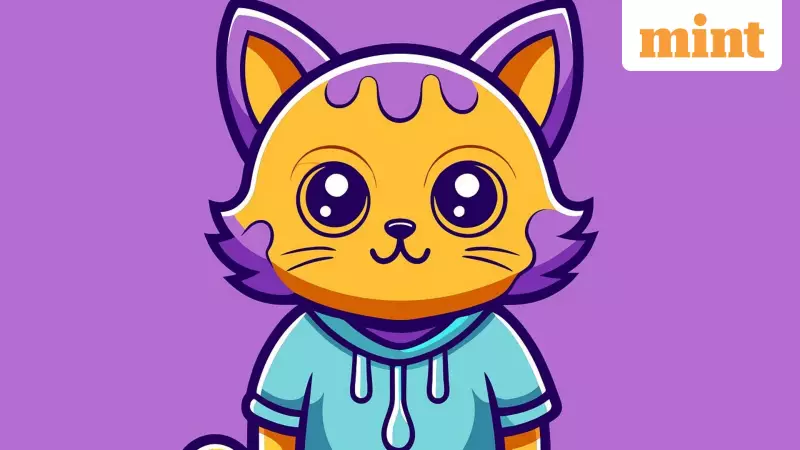
The concept of virtual pets traces back to the Japanese handheld game Tamagotchi from the 1990s, which popularized digital creature care. Today's applications like Pengu, Widgetable, Pokipet, Cryptokitties, and Zumi Chat have evolved significantly with AI technology, enabling users to customize pets according to their imagination—from purple kittens to pet dragons.
Jaynesh Vekaria, creator of Pokipet, noted that his inspiration came from childhood experiences with Tamagotchi. "The multiplayer feature allows users to co-parent virtual pets from different locations, fostering community and helping long-distance relationships stay connected," he said.
Market Growth and Investment Trends
Venture capitalists anticipate the AI companion market to expand at a 35-45% compound annual growth rate, with projections reaching $1 billion by 2028. Startups worldwide are developing these applications, with New York-based Born raising $25 million in September 2025 and reaching over 15 million users globally through apps like Pengu.
The company has attracted investments from notable figures including Candy Crush co-founder Riccardo Zacconi and former Adobe executive Scott Belsky, along with venture firms like Accel and Tencent Holdings.
Psychological Insights and Urban Challenges
Psychologists link the rising popularity of AI companions to increasing urban loneliness. "Loneliness is a major cause of depression globally," said Mumbai-based counseling psychologist Ishita Pateria. "While AI pets offer temporary gratification, users should be mindful not to substitute genuine human connections."
However, market penetration remains concentrated in metropolitan areas. According to Aditya Singh of All In Capital, "AI companion startups in India are focusing more on virtual humans like AI friends and health companions to reach users beyond urban centers."
Monetization and User Engagement
These applications monetize through subscriptions and customization options, where users purchase virtual pet food, clothing, accessories, and furniture. This model not only generates revenue but also enhances user engagement by creating personalized experiences.
As digital companionship continues to evolve, AI virtual pets represent a fascinating intersection of technology, psychology, and social interaction in modern India.