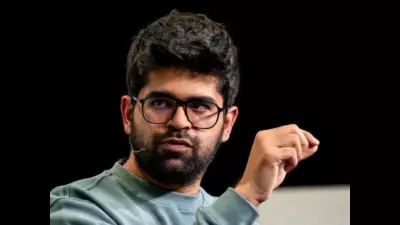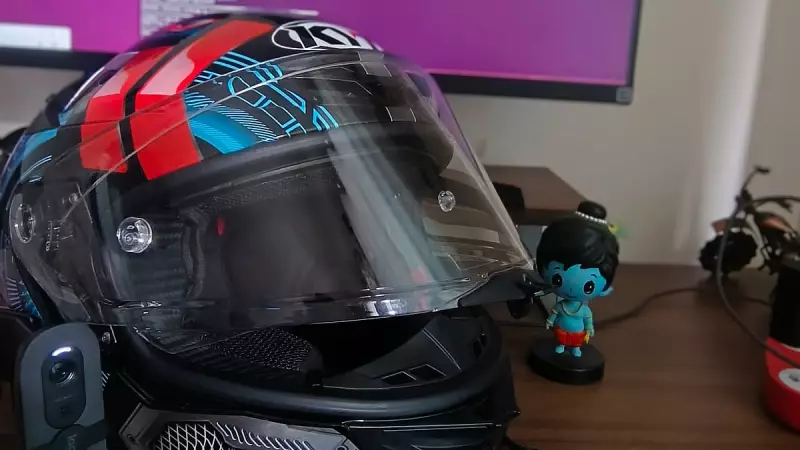
Frustrated by daily encounters with reckless driving, a tech-savvy professional from Bengaluru has taken road safety into his own hands by building an ingenious device. He has successfully integrated artificial intelligence into a standard helmet, transforming it into a mobile system that can identify and report traffic violations as they happen.
The Viral Revelation That Started It All
The experiment came into the public eye on Saturday, January 5, 2026, when the engineer, Pankaj Tanwar, decided to share his creation on the social media platform X. Alongside images of the modified helmet, he posted a message that resonated with countless commuters. "I was tired of stupid people on the road," Tanwar wrote, explaining his motivation, "so I hacked my helmet into a traffic police device..."
His post quickly captured widespread attention, drawing reactions from citizens equally frustrated by traffic indiscipline and from technology enthusiasts impressed by the practical application. The helmet, equipped with a camera and AI-processing unit, is designed to recognize common offenses like illegal lane changes, jumping red lights, and wrong-way driving.

How the AI-Powered Helmet Works
While Tanwar has not disclosed all the technical specifics, the core functionality relies on computer vision, a branch of artificial intelligence. As the rider navigates through traffic, the helmet's camera captures live video feed. The onboard AI model then analyses this footage in real-time, scanning for predefined patterns of traffic violations.
Upon detecting an offense, the system can reportedly flag it, potentially logging details such as the vehicle's registration number, time, and location. This approach demonstrates a shift from stationary surveillance cameras to a mobile, citizen-driven monitoring system. It underscores how personal wearable technology can be repurposed for public safety and civic enforcement.
Implications and the Road Ahead
This innovation from Bengaluru, India's premier tech hub, sparks important conversations. It highlights the potential for AI-driven solutions to address persistent urban challenges like traffic management. However, it also raises questions about data privacy, the legal authority of citizen-generated violation reports, and the infrastructure needed to support such technologies.
Pankaj Tanwar's project is currently a personal proof-of-concept, but its viral reception indicates a significant public appetite for smarter enforcement mechanisms. Whether this leads to collaboration with official traffic authorities or inspires a wave of similar DIY tech solutions remains to be seen. For now, it stands as a powerful example of how individual ingenuity, fueled by frustration and expertise in artificial intelligence, can create compelling tools for social good.