Bill Gates to Miss AI Impact Summit Keynote Address
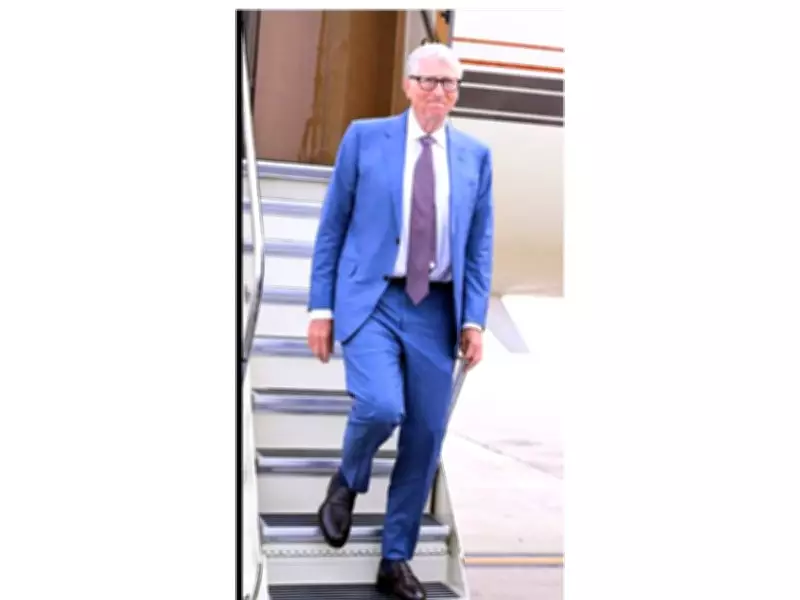
In a notable development for the global technology community, Microsoft co-founder and philanthropist Bill Gates will not be delivering the keynote speech at the highly anticipated AI Impact Summit. This decision marks a significant change in the event's lineup, as Gates was previously expected to headline the conference with his insights on artificial intelligence and its societal implications.
Ankur Vora Steps In as Gates Foundation Representative
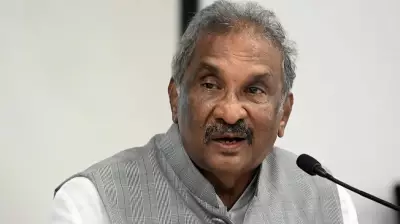
Instead of Gates, the Bill & Melinda Gates Foundation will be represented by Ankur Vora, a senior official within the organization. Vora is expected to participate in key discussions and panels, bringing the foundation's perspective on leveraging AI for global health, development, and education initiatives. His involvement underscores the foundation's ongoing commitment to exploring how advanced technologies can address some of the world's most pressing challenges.
The AI Impact Summit, which focuses on the ethical, economic, and social impacts of artificial intelligence, will proceed as scheduled with a revised agenda. Organizers have confirmed that other high-profile speakers and experts will still present, ensuring the event remains a critical forum for dialogue on AI's future. Gates' absence, however, may shift the spotlight toward institutional and collaborative efforts rather than individual thought leadership.

Reasons Behind Gates' Decision Remain Unclear
While no official reason has been provided for Gates' withdrawal from the keynote slot, speculation suggests it could be due to scheduling conflicts or a strategic realignment of his public engagements. Gates has been increasingly focused on philanthropic work through his foundation, particularly in areas like climate change and public health, which might have influenced this decision.
The Gates Foundation has emphasized that its participation, through Ankur Vora, will continue to highlight the importance of responsible AI development. In a statement, the foundation noted that AI holds tremendous potential to accelerate progress in fields such as healthcare and agriculture, but it must be guided by ethical principles to ensure equitable benefits.
Implications for the AI Impact Summit
This change could impact the summit's attendance and media coverage, as Gates is a globally recognized figure in technology and philanthropy. However, it also presents an opportunity to diversify the voices heard at the event, with Ankur Vora bringing a fresh perspective from the foundation's ground-level work. Attendees can expect discussions to delve deeper into practical applications of AI in development sectors, rather than solely theoretical or corporate viewpoints.
As the AI landscape evolves, the summit aims to foster collaborations that prioritize human-centric innovation. With Vora's representation, the Gates Foundation is likely to advocate for policies and projects that align with its mission of reducing inequality and improving lives worldwide through technology.
In summary, while Bill Gates' absence is a notable shift, the AI Impact Summit will continue to serve as a pivotal platform for exploring AI's role in shaping a better future, with Ankur Vora ensuring the Gates Foundation's vision remains integral to the conversation.