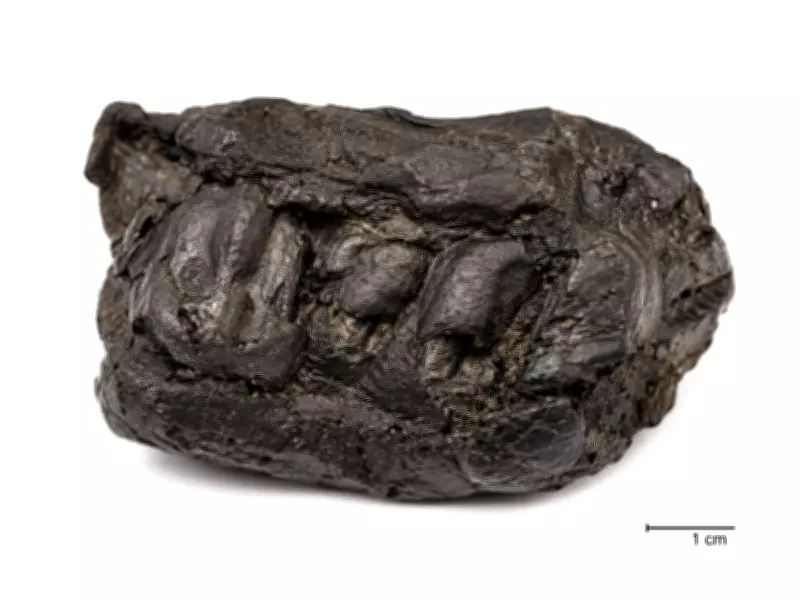
A small piece of chewed birch pitch discovered in southern Denmark is revolutionizing scientists' understanding of what objects can preserve ancient biological material. Dating back 5,700 years, this artifact retained far more than just tooth marks.
Unprecedented Preservation in a Tiny Artifact
According to a study published in Nature Communications, the birch pitch contained an entire ancient human genome, DNA from oral microbes of the person who chewed it, and trace evidence of animal and plant life likely from a meal. This complex mixture makes the small object unique, demonstrating that discarded chews can be as valuable as teeth or bones for ancient DNA analysis. The pitch became not just a food trace or tool remnant, but a complete biological document revealing who the person was, what microbes lived in her mouth, and what she recently ate.
A Snack Turned Time Capsule
The find comes from Syltholm in southern Denmark, where archaeologists uncovered the chewed birch pitch dating to the early Late Mesolithic or Early Neolithic transition. Birch pitch was made by melting birch bark into a dark, sticky material, likely chewed to soften it for hafting stone tools onto wooden handles. Earlier research in PubMed Central showed birch bark pitch was a useful substance, but its dense, resinous composition helped protect delicate biomolecules after disposal, acting like an enclosed archive. The physical properties of the material itself, not just soil conditions, enabled such remarkable preservation.

A Stone Age Woman Emerges
Human DNA extracted from the pitch was robust enough to reconstruct a complete ancient genome. The study reports the individual was female, part of a group closely related to western hunter-gatherers from mainland Europe, not central Scandinavia. The DNA also revealed her likely physical features: dark skin, dark brown hair, and blue eyes. These details transform the prehistoric fragment into a real person with an identifiable face, offering intimate insights into her appearance and migration history.
Beyond Human DNA
The pitch preserved not only host DNA but also microbial DNA from the oral microbiome, including bacterial and viral taxa. This provides a snapshot of the chewer's mouth at the time of chewing, helping determine sex, ancestry, facial features, and even disease-related signs. Additionally, food DNA—animal and plant fragments—was found, likely remnants of a recent meal. This shows a single object can preserve both the person and their diet, aiding archaeologists in understanding human behavior, subsistence, and tool-making context.
Implications for Archaeology
The Danish discovery establishes chewed birch pitch as a key source for biomolecular archaeology, pushing beyond traditional bones and opening avenues for objects once considered mere debris to yield rich historical information.