

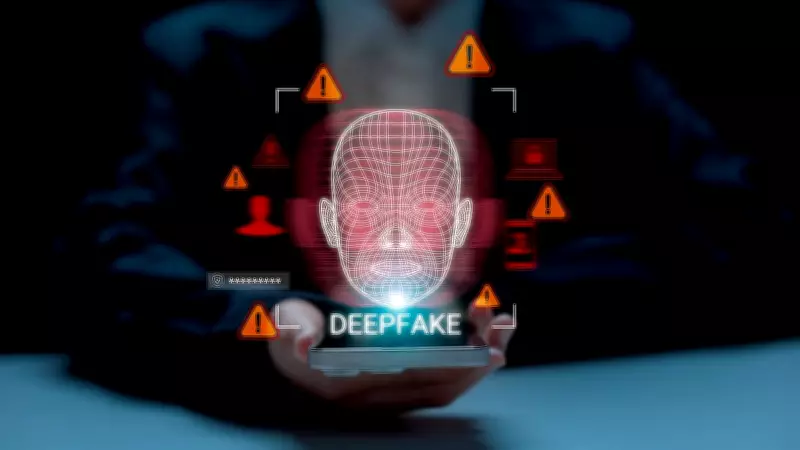
Deepfake Technology Infiltrates Corporate Hiring, Posing Severe Recruitment Risks
In a startling development that underscores the escalating dangers of artificial intelligence misuse, deepfake interview fraud has transitioned from theoretical concern to tangible reality, presenting a formidable threat to recruiting companies globally. This alarming trend was recently exposed when Bengaluru-based AI-powered interview intelligence platform InCruiter identified a participant utilizing sophisticated deepfake technology during a live interview session.
AI Platform Uncovers Sophisticated Deception in Real-Time
During a standard technical screening process, InCruiter's advanced monitoring systems detected anomalous patterns in a candidate's responses. The individual appeared to be answering complex technical questions with remarkable fluency and engaging in natural conversation flow, but subsequent analysis revealed the participant was employing deepfake technology to simulate their presence and responses. This incident marks one of the first documented cases where deepfake manipulation has been successfully deployed to bypass corporate recruitment safeguards.
Technical Sophistication Challenges Traditional Verification Methods
The deepfake implementation demonstrated during this incident exhibited unprecedented sophistication. The technology seamlessly generated realistic facial expressions, synchronized lip movements with spoken responses, and maintained consistent eye contact throughout the interview. More critically, the system processed technical queries in real-time and delivered contextually appropriate answers, suggesting integration with language models capable of understanding specialized domain knowledge.

Implications for Corporate Hiring and Security Protocols
The emergence of deepfake interview fraud necessitates urgent reassessment of recruitment verification processes across industries. Companies now face the dual challenge of:
- Validating candidate authenticity during virtual interviews
- Developing countermeasures against AI-generated impersonation
- Protecting sensitive organizational information from fraudulent applicants
- Maintaining recruitment integrity while embracing digital transformation
Recruitment platforms like InCruiter are now prioritizing enhanced detection capabilities, including behavioral biometrics analysis, network latency monitoring, and multi-factor authentication protocols specifically designed to identify synthetic media manipulation.
Broader Cybersecurity and Ethical Considerations
This incident extends beyond recruitment concerns to touch upon fundamental questions about digital identity verification in an AI-saturated landscape. As deepfake technology becomes increasingly accessible and sophisticated, organizations must confront:
- The erosion of trust in remote verification systems
- Potential exploitation across financial services, healthcare, and government sectors
- Legal and regulatory frameworks lagging behind technological capabilities
- Ethical implications of AI tools that can convincingly simulate human interaction
The Bengaluru case serves as a critical wake-up call for corporations worldwide, highlighting the urgent need for proactive measures against AI-enabled fraud vectors that threaten to undermine the very foundations of professional verification and hiring processes.






