Google DeepMind Chief Foresees Artificial General Intelligence Within a Decade
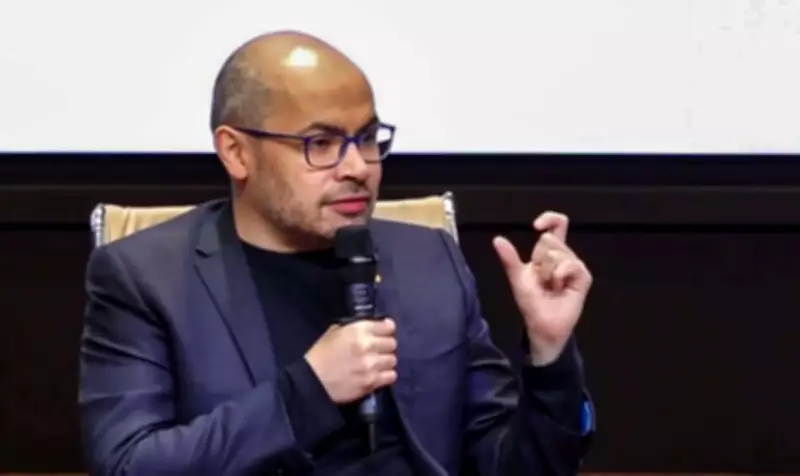
At the India AI Impact Summit in New Delhi, Demis Hassabis, the chief executive of Google DeepMind, shared his perspective on the timeline and implications of artificial general intelligence (AGI). He indicated that while AGI might be years away, its transformative effects in the coming decade will likely center on scientific advancements rather than the feared mass extinction of jobs.
A Threshold Moment for AGI Development
Hassabis described the current period as a threshold moment, with AGI potentially emerging on the horizon within the next five to ten years. However, he cautioned that we are not there yet, emphasizing the need for realistic expectations. He set a high standard for true AGI, stating it must demonstrate all human cognitive abilities, including creativity, long-term planning, and consistent reasoning across diverse tasks.
Today's AI models, while very impressive, remain flawed. They cannot learn continuously after deployment and often struggle with long-term coherent planning and simple tasks. This highlights the gap between current technology and the envisioned AGI.

India's Strategic AI Opportunities
For India, Hassabis recommended deeply integrating AI into areas of existing strength, such as agriculture and creative industries. He urged young people to become fluent in AI tools, suggesting that mastery could make them almost superpowered in their respective fields. This approach aligns with leveraging local expertise to drive innovation and economic growth.
Scientific Discovery as the Primary Impact
Hassabis argued that the nearer-term shift from AI will be in science, describing it as the ultimate tool for scientific research. Much of scientific inquiry involves detecting patterns in vast datasets, a task well-suited to AI systems. He pointed to AlphaFold, Google DeepMind's protein structure prediction system, as evidence that AI can massively speed up research and accelerate discovery across nearly any subject area.
Over the next decade, he anticipates a new golden era for scientific discovery, driven by AI's capabilities. Humans will remain central to this process, with AI serving as a powerful assistant rather than a replacement. Hassabis explained that even in science, humans must supply hypotheses and research questions, with AI tools helping to reach answers more quickly.
Cautious Optimism and Governance Imperatives
Despite the optimism, Hassabis warned of AI's dual-purpose nature. Near-term risks include cyber threats and the misuse of AI in sensitive areas like biological research. He stressed that governance is key to mitigating these dangers, ensuring that AI development proceeds responsibly.
Fully autonomous co-scientists are likely more than a decade away, reinforcing the importance of human oversight. Hassabis's message combines hope for AGI's potential with a call for careful management to harness its benefits while addressing associated risks.