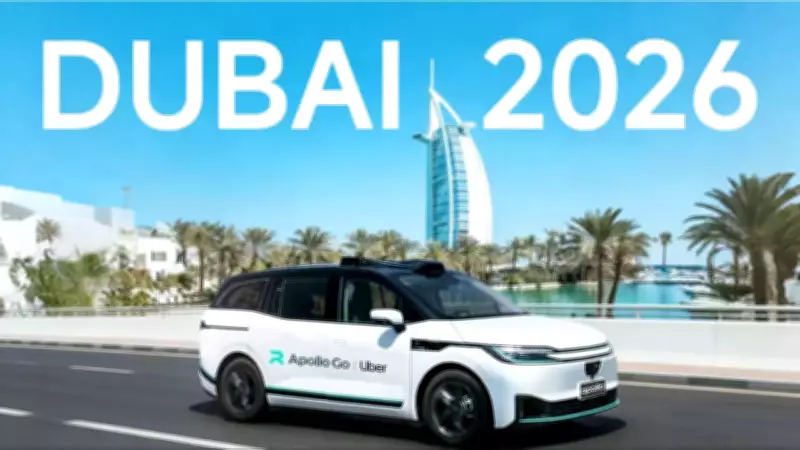
Dubai Pioneers Autonomous Ride-Hailing with Baidu and Uber Collaboration
Dubai is embarking on a transformative journey in urban mobility with the imminent launch of fully autonomous ride-hailing services, marking a significant advancement in next-generation transportation. This groundbreaking initiative is driven by a high-profile partnership between Baidu's Apollo Go autonomous vehicle platform and Uber, with robust support from Dubai's Roads and Transport Authority (RTA). The service is scheduled to commence operations in the Jumeirah area soon, positioning Dubai as one of the first cities globally to offer robotaxi rides at scale through a mainstream application.
Operational Details and Booking Process
The collaboration integrates Baidu's Apollo Go autonomous ride-hailing service into the Uber platform, enabling passengers in Dubai to book driverless vehicles seamlessly. Riders will utilize the familiar Uber app to request self-driving trips by selecting an "Autonomous" option or by booking through UberX or Uber Comfort, where they may be matched with an Apollo Go vehicle. Initially, the vehicles are expected to operate with full autonomy, without human safety drivers, once regulatory approvals are finalized and initial deployment phases are completed.
Foundational Steps and Testing Phases
Baidu's Apollo Go has laid substantial groundwork for this launch, having received Dubai's first fully driverless testing permit from the RTA in late 2025. This permit authorized the company to conduct open-road trials with its fleet, marking a pioneering step in unmanned autonomous vehicle operations in the city. Additionally, Dubai inaugurated a dedicated autonomous vehicle operations center, Apollo Go's first outside China, to oversee testing, maintenance, safety systems, and fleet control. Plans are in place to scale the service over time, with aspirations to expand the autonomous fleet to more than 1,000 vehicles in the coming years as part of Dubai's broader transport vision.

Strategic Goals and Global Leadership
This autonomous ride-hailing launch is not merely a novelty but a strategic effort to modernize Dubai's transport infrastructure and foster a smarter, safer, and more efficient urban mobility ecosystem. Key objectives include:
- Smart Transport Goals: Aligning with Dubai's ambition to have 25% of all trips be autonomous by 2030, a target embedded in the city's long-term transport strategy.
- Global Tech Leadership: Baidu's Apollo Go platform already operates in 22 cities worldwide, accumulating hundreds of millions of autonomous kilometers and millions of completed rides, demonstrating its readiness for large-scale public use.
- RTA Support and Innovation: Dubai's Roads and Transport Authority has played a pivotal role by granting permits, enabling trials, and creating a regulatory environment that supports this cutting-edge technology.
Passenger Experience and Service Expansion
Initially, autonomous vehicles will be available in key zones such as the Jumeirah area, with service coverage expected to expand based on data from early operations and evolving regulatory frameworks. Passengers can anticipate:
- Driverless pickup and drop-off booked through the Uber app.
- The same booking experience as traditional Uber services but with autonomous AI-driven vehicles.
- Potential reductions in congestion and emissions as autonomous rides integrate with Dubai's smart transport network.
Challenges and Considerations
Despite the enthusiasm, autonomous ride-hailing in Dubai faces several hurdles:

- Operational Safety: Ensuring vehicles respond correctly in complex urban environments is paramount, with real-time data and local safety protocols remaining critical factors.
- Regulatory Compliance: Continued expansion depends on ongoing regulatory oversight and updates to address evolving safety standards.
- Public Adoption: Educating riders and building public confidence in autonomous technology will be key to widespread acceptance.
Broader Implications and Future Outlook
The arrival of Apollo Go autonomous ride-hailing in Dubai via Uber represents a major milestone in urban transportation evolution, combining AI-driven vehicles, strategic government support, and world-class infrastructure. This initiative builds on wider UAE advancements, including plans for other autonomous services and smart city innovations, positioning the Emirates as a global hub for future mobility and technology commercialization. As the service transitions from pilot to public rollout in 2026, it has the potential to redefine urban movement, reduce reliance on traditional drivers, and advance Dubai's smart city aspirations into tangible reality.