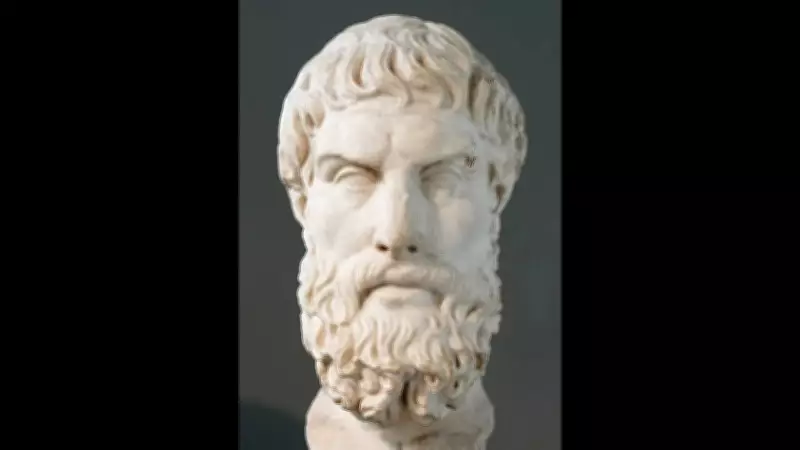
There are some ideas that feel comforting immediately, and there are others that become meaningful only after life forces people to experience them personally. This quote connected with Epicurus belongs to the second category. It does not promise easy happiness or suggest that life becomes meaningful only during peaceful moments. Instead, it points toward something many people eventually realise through experience: comfort can make life pleasant, but struggle often changes people in deeper ways.
Why People Naturally Seek Happiness
Most individuals naturally move toward happiness. They want stable relationships, good days, supportive friendships and situations that make life feel secure. Nobody wakes up hoping for heartbreak, disappointment or emotional exhaustion. Nobody actively searches for difficult periods. People usually spend enormous amounts of time trying to avoid pain because pain itself feels uncomfortable and uncertain.
Yet life does not always cooperate with those plans. Relationships face challenges, expectations break apart, people leave, mistakes happen, and circumstances change without warning. During such moments, most people focus only on surviving the difficulty itself because they cannot immediately see anything valuable hidden inside the experience. Looking back years later, however, many realise that difficult periods often changed them in ways that easy periods never did.

The Meaning Behind the Quote
The quote seems to separate happiness from courage, not because happiness lacks value, but because happiness and growth sometimes teach different things. Being happy every day in relationships can create comfort and emotional security, which are important parts of life. But comfort itself rarely demands much effort from people. When things are going well, individuals simply continue moving through life without being pushed to discover hidden strengths.
Difficult situations create entirely different conditions. During challenging periods, people are often forced to face emotions they would rather avoid. They may deal with disappointment, uncertainty, rejection or fear. Those moments are uncomfortable because they remove predictability and force people into unfamiliar emotional territory.
Epicurus appears to be suggesting that courage does not suddenly arrive like a gift. It develops gradually. People build courage through experiences that ask something difficult of them. Someone who survives emotional pain may discover resilience they never noticed before. Someone who moves through failure may realise they can begin again even after losing confidence.
Why Human Beings Run Away from Adversity
People generally associate difficult experiences with loss. Someone loses peace of mind, certainty or emotional balance. Because of that, the first reaction toward hardship is usually resistance. Human beings prefer situations they can control because control creates safety.
This tendency appears in everyday life in small ways. People avoid uncomfortable conversations because they fear conflict. People delay difficult decisions because uncertainty feels stressful. Some remain in familiar situations simply because unfamiliar situations create anxiety.
Yet avoiding every challenge creates another problem. People sometimes protect themselves so carefully that they accidentally avoid experiences capable of helping them grow. Strength develops through use in the same way muscles do. If something never faces resistance, it rarely becomes stronger.
Epicurus Beyond Common Assumptions
Epicurus is often remembered incorrectly as someone who simply encouraged pleasure and comfort. The misunderstanding probably comes from the modern use of words related to his philosophy. Many people imagine luxury, indulgence and endless enjoyment when hearing his name.
His ideas were actually much more thoughtful and balanced. Epicurus believed happiness mattered, but he viewed happiness differently from endless excitement or material satisfaction. He often emphasised peace of mind, meaningful relationships and freedom from unnecessary fears. He spent considerable time asking questions about what truly creates fulfilment and what creates unnecessary suffering.

How Difficult Times Reshape People
People often imagine courage as something dramatic. Movies and stories sometimes present courage as extraordinary moments involving huge decisions and obvious acts of bravery. Real life often looks very different.
Courage frequently develops quietly. Someone wakes up after a painful week and continues working. Someone experiences failure and still tries again. Someone loses confidence and slowly rebuilds it. Someone experiences disappointment and continues moving forward despite uncertainty.
These moments may not appear extraordinary from the outside. Most people may not even notice them. Yet these ordinary situations sometimes require enormous emotional effort.
Other Famous Quotes by Epicurus
- "Do not spoil what you have by desiring what you have not."
- "Nothing is enough for the man to whom enough is too little."
- "It is not what we have but what we enjoy that constitutes our abundance."
- "The greater the difficulty, the more glory in surmounting it."
- "Freedom is the greatest fruit of self-sufficiency."
Why These Words Still Matter
Some quotations remain memorable because they sound inspiring. Others survive because people eventually recognise parts of their own experiences inside them. This quote seems to belong to the second group. Most people eventually discover that the moments they feared most were not always empty periods of suffering. Sometimes those difficult periods quietly reshaped them without announcing it.
Epicurus appears to suggest that courage is rarely born during perfect days when everything feels easy and predictable. Instead, courage often begins appearing during moments when life becomes uncertain, and people continue moving forward anyway.
Many individuals only understand the truth while looking backwards. They realise that difficult experiences did not simply test them. Those experiences also introduced them to strengths they did not know they possessed before.