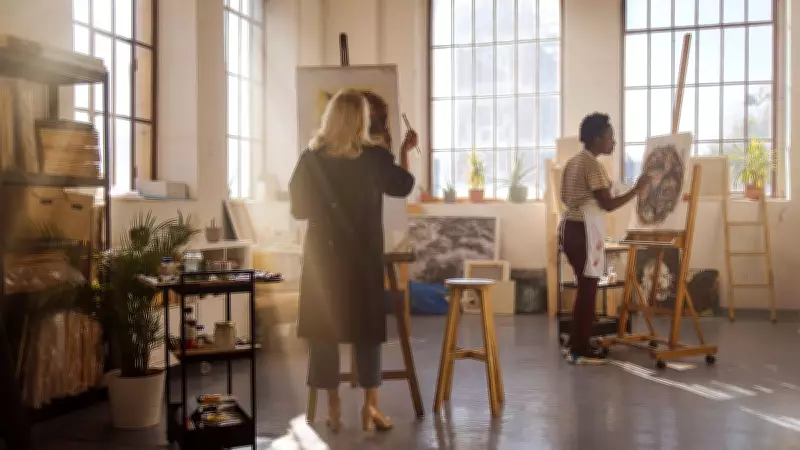
The studio, once a place of solitary study and scholarly pursuit, has transformed into a dynamic creative home where the boundaries between art and daily life dissolve. This evolution mirrors broader cultural shifts in how we perceive creativity, work, and domesticity.
Origins in the Scholastic Tradition
The earliest studios were rooted in the scholastic traditions of ancient Greece and Rome, where philosophers and artists gathered to study, debate, and create. The word "studio" itself derives from the Latin "studium," meaning zeal or application. These spaces were often attached to academies or private homes, serving as both classrooms and workshops.
During the Renaissance, the studio became a symbol of intellectual and artistic prestige. Artists like Leonardo da Vinci and Michelangelo maintained elaborate workshops filled with assistants, models, and materials. These spaces were not merely functional but also represented the artist's mind—organized, curious, and productive.

The Rise of the Artist's Studio
By the 19th century, the studio had evolved into a distinct architectural space. The Romantic era idealized the artist as a genius working in a cluttered, atmospheric room. Painters like J.M.W. Turner and Eugène Delacroix cultivated studios that were as much about persona as productivity. The studio became a stage for the creative process, often open to patrons and the public.
Simultaneously, the Industrial Revolution introduced new materials and technologies, expanding the studio's possibilities. Photographers, for instance, required darkrooms and specialized equipment, while sculptors needed larger spaces for casting and carving.
The Modernist Studio
The 20th century brought radical changes. Modernist artists rejected the traditional studio as too confining. Jackson Pollock famously worked on the floor of his barn, while Andy Warhol's Factory blurred the line between studio, social hub, and performance space. The studio became a site for experimentation, collaboration, and even protest.
Architects like Le Corbusier and Frank Lloyd Wright designed integrated living and working spaces, anticipating the home-studio concept. The rise of digital technology further democratized the studio, allowing anyone with a laptop to create anywhere.
The Studio as Creative Home
Today, the studio is often indistinguishable from the home. The COVID-19 pandemic accelerated this trend, as millions converted spare rooms, kitchens, and garages into workspaces. For artists, this blurring of boundaries can be both liberating and challenging. The domestic environment infuses art with intimacy and everydayness, but it also demands discipline to maintain focus.
According to art historian Dr. Elena Rossi, "The modern studio is no longer a separate sanctuary but an integrated part of life. This shift reflects a broader cultural move towards authenticity and work-life integration." Studies show that 67% of contemporary artists now work from home-based studios, a figure that has risen steadily over the past decade.
Impact on Art and Daily Life
The merging of studio and home has profound implications. Art becomes more accessible and less elitist. The creative process is visible to family members, fostering a culture of creativity within households. However, it also raises questions about boundaries: when does work end and life begin?
Artist and writer Sumana Roy notes, "The home-studio is a place where the mess of creation coexists with the mess of living. It's a beautiful chaos that reflects the reality of modern creativity." This evolution, from study to creative home, represents a fundamental reimagining of where and how art is made.