Remember when haircare was simple? You would pick a shampoo that promised silky hair, maybe add a conditioner, and call it a day. Then came the era of miracle ingredients. Suddenly, everyone was talking about onion oil. Rice water had its moment too. Before that, it was keratin. After that, something else. Every few months, there seemed to be a new hero ingredient claiming it could solve all your hair problems. But something interesting is happening now.
The Shift Toward Ingredient Awareness
People are no longer buying products just because the front of the bottle says "smooth," "repair," or "anti-frizz." They are turning the bottle around and reading the ingredient list. They are asking questions. What does this ingredient actually do? Will it help my scalp? Is it fixing the problem or simply making my hair look better for a day?
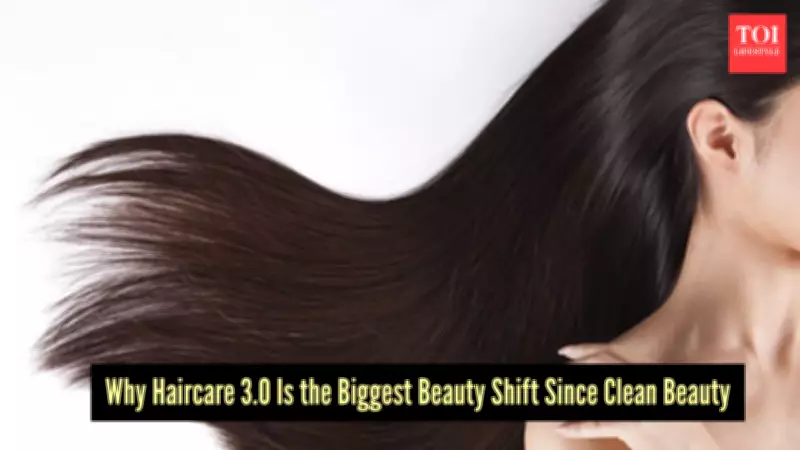
That is the idea behind what is now being called Haircare 3.0. And unlike many beauty trends that come and go, this one feels like it could stick around. It is no longer just about good-looking hair. For years, most hair products focused on appearances. If your hair looked shiny after washing it, the product was considered a success. If it felt smooth for a few hours, even better.

But many people are starting to realize that healthy-looking hair and healthy hair are not always the same thing. Haircare 3.0 is shifting the focus from quick fixes to long-term hair health. Instead of covering up damage, the goal is to help prevent it and, where possible, repair it. That change is happening for a reason.
What Our Hair Deals With Every Day
In cities like Delhi, Mumbai, Bengaluru, and Chennai, pollution is a constant problem. Add hard water, heat styling, hair colouring, stress, and extreme weather conditions, and it is easy to see why so many people struggle with hair issues. People are dealing with:
- Frizz during monsoon season.
- Dryness during winter.
- Hair fall that seems to get worse every year.
And now people want solutions that go beyond temporary shine.
Why Keratin Is Back in the Conversation
One of the biggest ideas driving this shift revolves around keratin. Keratin is the protein that makes up most of our hair. Every time we use hot styling tools, colour our hair, spend hours in the sun, or simply go through daily wear and tear, that structure takes a hit. Traditionally, many products dealt with the issue by coating the outside of the hair strand. Your hair felt softer, smoother, and easier to manage, but the effect was often temporary. Now brands are talking about biomimetic repair technologies. The term sounds complicated, but the idea is not.
Instead of sitting on top of the hair, these technologies are designed to work more like the hair's natural structure. The aim is to identify weaker areas within the hair fiber and help strengthen them from within. In simple terms, it is the difference between putting makeup over a crack in the wall and actually fixing the crack.
Hydration Matters for Hair Too
Most of us think about hydration when it comes to skincare. We buy moisturizers, hydrating serums, and face masks without a second thought. But hair needs moisture too, and the challenge is finding the right balance. Too little moisture leaves hair dry, rough, and prone to breakage, and too much can leave it limp and difficult to manage. This is where newer hydration technologies are becoming popular.
Rather than flooding the hair with moisture, they are designed to help maintain balance based on environmental conditions. That matters in a country like India, where your hair can experience dry air-conditioned offices, humid monsoon weather, and scorching summer heat all within the same week. Jigar Ravaria, Executive Director of Beauty Garage Limited, says the concept actually takes inspiration from skincare. He states, "Haircare 3.0 is borrowed from skincare, using hyaluronic acid as an example. Hyaluronic acid is already popular in skincare and is increasingly being used in haircare as a high-performance humectant." It is an example of how beauty categories are beginning to overlap. Ingredients that were once reserved for skincare are finding a place in haircare too.

The Protective Layer People Often Forget
There is another part of hair health that is getting more attention: the cuticle. Think of it as the outer shield that protects your hair. When that protective layer is healthy, it helps lock in moisture and defend the hair from everyday damage. But things like pollution, hard water, and environmental stress can slowly weaken it. Anyone who has lived in a city with hard water knows the struggle. Hair starts feeling rougher, looks dull, and becomes harder to manage.
According to Ravaria, maintaining this protective barrier is becoming increasingly important. He explains, "Pollutants in the atmosphere, hard water, and other environmental stressors erode this barrier, which is why it is important to keep replenishing this protective layer. Similar to biomimetic repair technologies that restore keratin at the molecular level, lipid replenishment strategies focus on using structurally compatible lipids to integrate with the hair's natural lipid matrix." In other words, it is not just about repairing damage after it happens. It is about helping the hair defend itself in the first place.
So What Makes Haircare 3.0 Different?
The biggest difference is that it does not rely on one miracle ingredient. For years, beauty marketing has trained us to believe that one bottle can magically solve every problem. Haircare 3.0 takes a different approach.
Healthy hair depends on several things working together. You need strong internal structure, balanced moisture, and a healthy protective barrier. Instead of treating each issue separately, newer formulas are trying to support all of them at once. There is also a growing understanding that our environment is not constant. With weather changes, pollution levels changing, and water quality changes, the products people choose need to work under different conditions too.
The Rise of Ingredient-Conscious Consumers
Perhaps the biggest change is not happening in laboratories or product development teams. It is happening with consumers. People are becoming far more informed than they were even five years ago. They are reading labels. Looking up ingredients. Watching dermatologist videos. Asking whether products are actually worth the money, and that is changing the beauty industry.
Brands can no longer rely only on attractive packaging or big promises; consumers want to know what is inside the bottle and why it is there. That is really what Haircare 3.0 is about. Not chasing the latest trend, not buying a product because it went viral on social media, but it is about understanding your hair a little better and choosing products that support its health over time. This is why that ingredient list sitting quietly on the back of your shampoo bottle suddenly matters a lot more than it used to.