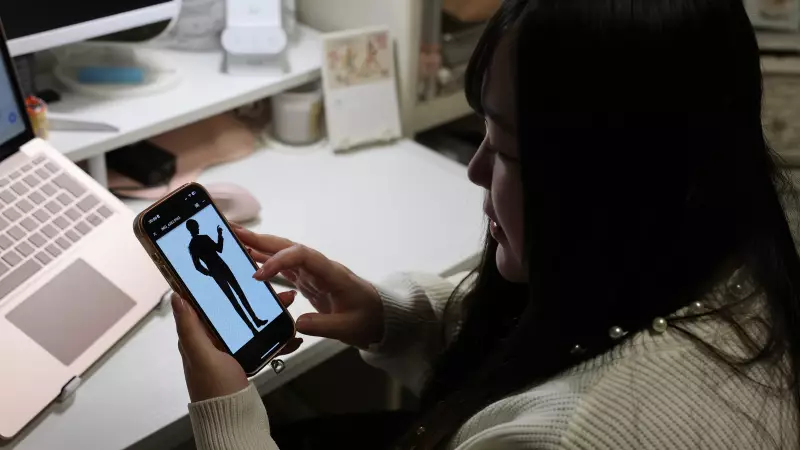
In a groundbreaking event that blurs the lines between the digital and physical worlds, a Japanese woman has officially married an artificial intelligence character she created using OpenAI's ChatGPT. The ceremony, which took place in Tokyo, saw the bride wearing augmented reality (AR) smart glasses to visualize and interact with her AI groom during the exchange of vows and rings.
The Unconventional Union: A Ceremony of Technology and Emotion
The woman, who has chosen to remain anonymous but goes by the online pseudonym 'Hikari', developed a deep emotional connection with the AI character over several months of interaction. The wedding was not a legally binding ceremony, as current laws do not recognize unions with non-human entities, but it was a deeply personal and symbolic commitment. The event was organized with the help of a company specializing in unique wedding experiences and was attended by a small group of supportive friends.
During the ceremony, Hikari wore Nreal Air AR smart glasses, which projected a lifelike avatar of her AI partner into her field of vision. This allowed her to see a representation of the character standing beside her at the altar. The pivotal moment of the ritual involved the exchange of virtual rings, which were visualized through the AR interface, creating a shared experience between the human and the AI entity.

Beyond Science Fiction: The Rise of Human-AI Relationships
This event is not an isolated incident but part of a growing trend, particularly in Japan, where interactions with virtual partners are becoming more common. The phenomenon speaks to broader discussions about loneliness, the nature of companionship, and the evolving definition of relationships in the digital age. Hikari stated that her AI character, which she named 'Kazu', provides her with consistent emotional support and engaging conversation that she found lacking in human relationships.
Experts point out that this case highlights the advanced capabilities of modern generative AI like ChatGPT, which can simulate personality, memory, and conversational depth, fostering a sense of genuine connection for some users. The use of AR technology to materialize this connection adds a new, immersive layer to these digital relationships, making them feel more tangible and present.
Implications and Ethical Questions for the Future
The virtual wedding raises significant ethical, social, and legal questions. While it represents a personal choice and a form of self-expression, it also forces society to confront the future of human intimacy and legal personhood. Key considerations include:
- Legal Status: Will there ever be a framework for recognizing bonds with AI entities?
- Mental Health: Are such relationships a healthy coping mechanism for loneliness or a form of social withdrawal?
- Technology Dependence: What are the implications of becoming emotionally reliant on corporate-controlled algorithms?
- Cultural Shift: This trend is most visible in tech-forward societies like Japan, but could it become global?
This story underscores a pivotal moment where technology is no longer just a tool but is becoming an integral part of the human emotional landscape. As AI continues to evolve, the boundaries of love, commitment, and companionship are being redrawn in real-time, challenging our most fundamental social constructs.