

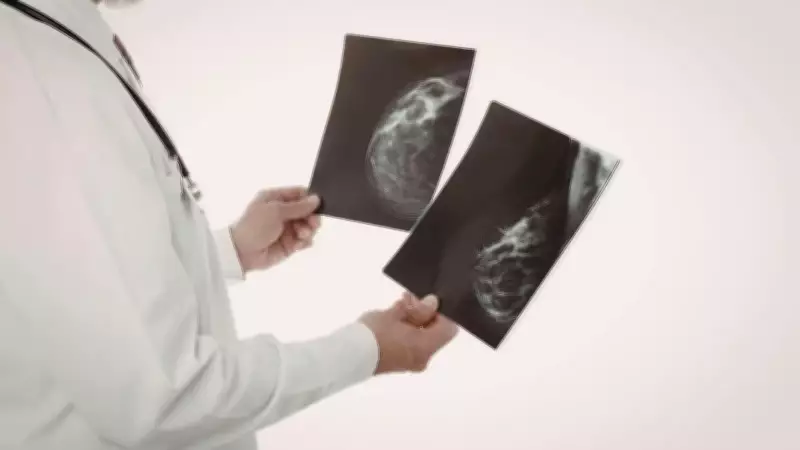
Routine mammograms have long been used to detect breast cancer early, but they may also reveal hidden heart disease risks in women. Doctors say a mammogram can pinpoint breast arterial calcifications (BAC) — calcium deposits in breast arteries that are now recognised as markers of underlying vascular damage, raising cardiovascular risks.
Case Study: A 52-Year-Old Woman from Mumbai
A 52-year-old woman from Mumbai recently underwent a routine screening mammogram. While her breast tissue appeared normal, the radiologist noted clear BAC. She had no known history of heart disease but had been living with diabetes for nearly seven years. A cardiac evaluation and further tests revealed abnormal cholesterol levels and early signs of coronary artery narrowing, according to Dr Brajesh Kumar Kunwar, senior consultant interventional cardiologist at Apollo Hospitals, Navi Mumbai, who treated her.
BAC as a Surrogate Marker
Dr Kunwar says BAC should be considered a surrogate marker of atherosclerosis — plaque buildup in artery walls. The patient had never experienced chest pain or other warning symptoms, but the mammogram finding prompted early intervention, including drugs, lifestyle changes, and stricter diabetes control, potentially preventing a future heart attack. These calcium deposits reflect blood vessel changes linked to ageing, diabetes, hypertension, and metabolic disorders, and may signal a higher likelihood of heart disease even in women without symptoms.

Experts emphasise that BAC does not raise breast cancer risk or require breast-specific treatment, but serves as an indicator for heart disease, allowing preventive care. The Indian Council of Medical Research (ICMR) recommends mammography for women aged 40 and above every two years, but earlier for those at higher risk.
Prevalence of BAC in India
With more women in India opting for breast cancer screening, doctors are finding BAC more frequently. Dr Tushar Jadhav, a consultant surgical oncologist (breast) associated with multiple Mumbai hospitals, says such calcifications are seen in 10-20% of women undergoing mammography. If BAC is observed in 9-16% of women aged 40-65, it rises to nearly 50% in those above 65. It is particularly common among post-menopausal women, those with diabetes, hypertension, or chronic kidney disease.
Global Research Linking BAC to Heart Disease
Emerging global research reflects what doctors are seeing in clinical practice. Ongoing research at Mount Sinai Health System in New York, looking at 15,000 women, links BAC on mammograms to heart disease risk. In one striking case reported by NBC News, a 67-year-old woman with no heart disease symptoms had BAC on her mammogram, which later uncovered severe multi-vessel coronary artery disease, leading to life-saving quintuple bypass surgery. Doctors involved in the study said the mammogram finding was the only reason she underwent additional heart testing.
A 2025 study published in the journal Heart analysed mammograms of over 49,000 women using an artificial intelligence (AI) algorithm. The AI was able to predict major cardiovascular events — including heart attacks, strokes, and heart failure — with accuracy comparable to leading clinical risk prediction models. Advanced AI enables more precise analysis of mammograms by detecting subtle vascular patterns that may not be visible to the human eye.
Implications for India
Dr Ashutosh Kothari, a breast cancer surgeon at Sir H N Reliance Foundation Hospital, says this technology also makes it feasible to conduct large-scale population studies in India to better understand the link between BAC and cardiovascular risk. However, AI-based risk assessment tools must be validated through clinical studies in collaboration with cardiologists.
Dr Rahul Gupta, a cardiologist at Gleneagles Hospital, points out that the mechanisms underlying BAC and coronary artery disease (CAD) are related but not identical. However, both share common risk factors. BAC should be viewed as a marker of systemic vascular ageing and underlying cardiovascular risk, even though it does not necessarily indicate a coronary artery blockage. It should be viewed as a risk indicator, not a diagnosis. Not every woman with BAC needs advanced cardiac testing.

Individualised Approach Recommended
Dr Kothari stresses an individualised approach, saying breast calcifications need to be assessed keeping in mind pre-existing conditions such as diabetes, blood pressure, and other lifestyle factors, as well as symptoms like fatigue, breathlessness, and intolerance to exercise and exertion.





