Elon Musk Launches Personal Attack on Anthropic Philosopher Over AI Ethics
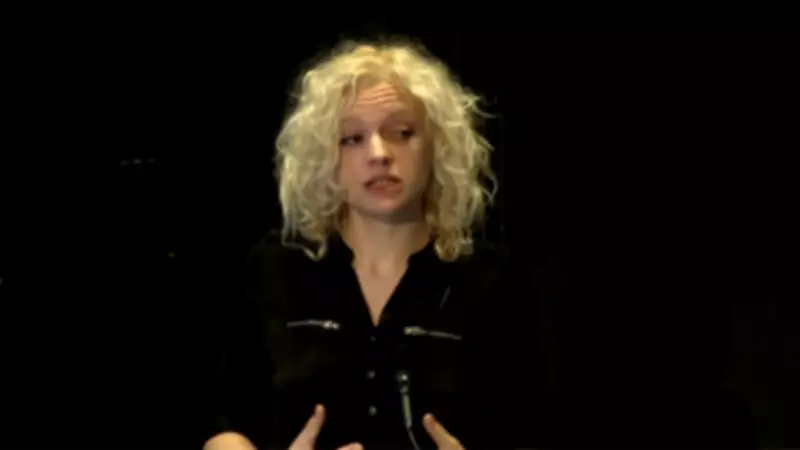
In a series of posts on X that turned deeply personal, Elon Musk targeted Anthropic philosopher Amanda Askell, questioning her credibility to shape artificial intelligence ethics based on her personal life choices. The exchange unfolded on February 14, just hours after The Wall Street Journal published an extensive profile detailing Askell's crucial role in developing Claude's moral framework.
Musk's Controversial Claims About Parenthood and Future Stake
Responding directly to the Wall Street Journal article, Musk posted a provocative statement: "Those without children lack a stake in the future." The billionaire entrepreneur then escalated his criticism by bringing up Askell's ex-husband, Will MacAskill, the prominent effective altruism philosopher. Musk claimed that MacAskill had previously offered to help write moral guidelines for Grok, xAI's chatbot, but Musk rejected the proposal with the dismissive comment: "Constitutions should not be written by hypocrites."
The Tesla and SpaceX CEO added a layer of mockery to his posts with a Simpsons-style prank call reference—"Paging Amanda Hugandkiss"—accompanied by a laughing emoji and a link to his own AI creation, Grok.

Askell's Measured Response to Personal Criticism
Amanda Askell did not remain silent in the face of Musk's personal attacks. The Oxford-educated philosopher responded thoughtfully on X, writing: "I think it depends on how much you care about people in general vs. your own kin." She elaborated that while she does intend to have children eventually, she already feels a strong personal stake in humanity's future because she genuinely cares about people thriving, regardless of whether they're related to her.
In a separate post addressing the broader reaction to her Wall Street Journal profile, Askell noted that many people were attempting to guess her political leanings from the article. She explained her professional approach: "I try to treat my personal political views as a potential source of bias, and not as something it would be appropriate to try to train models to adopt."
Escalation of Musk's Longstanding Criticism of Anthropic
While Musk has criticized Anthropic previously, his latest attack marked a significant escalation in personal tone. Just one day before targeting Askell, following Anthropic's massive $30 billion Series G funding round, Musk called the company's AI "misanthropic and evil," claiming that Claude discriminates against white and Asian users, heterosexual individuals, and men. He added a characteristic wordplay jab: "You were doomed to this fate when you chose your name," referencing his previous Anthropic-Misanthropic puns.
However, specifically naming Askell and delving into her personal life and former marriage represented a sharper, more personal turn in Musk's ongoing feud with the AI company. This marked a departure from his previous criticisms that focused more on the company's technology and business practices.
The Broader Battle Over AI Morality Definition
The clash between Musk and Askell touches on fundamental questions about who gets to define artificial intelligence morality in our rapidly evolving technological landscape. Askell, with her philosophical background from Oxford University, has spent years meticulously crafting Claude's personality and ethical guidelines—a comprehensive 30,000-word instruction document that Anthropic publicly released just last month.
Meanwhile, Musk has consistently promoted his pronatalist worldview as essential to long-term thinking, repeatedly arguing that declining global birth rates represent an existential threat to human civilization. This philosophical divide highlights contrasting approaches to AI ethics development.
The public exchange predictably generated polarized reactions across social media platforms:

- Some users echoed Musk's "skin in the game" argument about parenthood
- Others pointed out that caring about humanity's future doesn't require biological parenthood
- Several commentators focused on the appropriateness of personal attacks in professional debates
- A segment simply wanted to discuss the Simpsons reference and its implications
This incident underscores the increasingly personal nature of debates surrounding artificial intelligence ethics, as prominent figures clash over fundamental questions about moral authority, personal qualifications, and the future direction of AI development. The exchange reveals how philosophical differences about human values and future orientation are becoming central battlegrounds in the race to shape artificial intelligence that aligns with human interests and ethical standards.