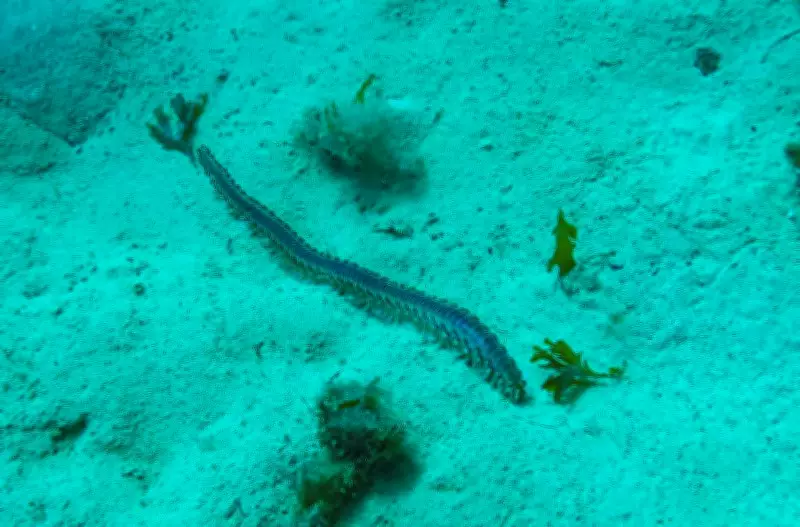
Two New Marine Worm Species Discovered on West Bengal Coast
In a remarkable breakthrough for marine biology, researchers have uncovered two entirely new species of marine worms along the coastal regions of West Bengal. This discovery, announced recently, highlights the rich and often unexplored biodiversity of India's eastern shoreline and underscores the importance of ongoing scientific exploration in these aquatic ecosystems.
Details of the Discovery
The newly identified species belong to the polychaete family, a group of segmented marine worms commonly found in marine environments worldwide. Scientists conducting a detailed survey of the benthic fauna—organisms living on the sea floor—along the West Bengal coast made this finding during their extensive fieldwork. The worms were collected from specific habitats, including muddy and sandy substrates, which are typical of the region's coastal waters.
Initial analysis revealed distinct morphological and genetic characteristics that set these worms apart from any known species. Researchers employed advanced taxonomic techniques, including microscopic examination and DNA sequencing, to confirm their uniqueness. The discovery adds to the growing list of marine invertebrates documented in the Bay of Bengal, an area known for its high biological diversity but still understudied in many aspects.

Significance for Marine Biodiversity
This finding is particularly significant for several reasons:
- Enhanced Understanding: It contributes to a better understanding of the polychaete diversity in Indian waters, which is crucial for marine conservation efforts.
- Ecosystem Roles: Marine worms play vital roles in marine ecosystems, such as nutrient cycling and serving as food sources for other marine animals. Discovering new species helps scientists comprehend these ecological functions more fully.
- Conservation Implications: Identifying new species can inform conservation strategies, especially in coastal areas facing threats from pollution, climate change, and human activities.
The West Bengal coast, with its unique environmental conditions, has proven to be a hotspot for such discoveries. Previous studies have noted a variety of marine life in this region, but the identification of these new worm species suggests that many more organisms may remain undiscovered.
Research and Future Prospects
The research team involved in this discovery plans to publish their findings in a peer-reviewed scientific journal, providing detailed descriptions of the species' anatomy, habitat preferences, and genetic markers. This will allow other scientists worldwide to recognize and study these worms in the future.
Looking ahead, this discovery opens up new avenues for marine research in India. Scientists emphasize the need for continued exploration of coastal and deep-sea environments to uncover more hidden biodiversity. Such efforts are essential not only for academic knowledge but also for practical applications in fields like biotechnology, where marine organisms often yield novel compounds with medical or industrial potential.
In summary, the discovery of two new marine worm species on the West Bengal coast is a testament to the vibrant and diverse marine life in Indian waters. It reinforces the importance of scientific inquiry and conservation in preserving these natural treasures for future generations.