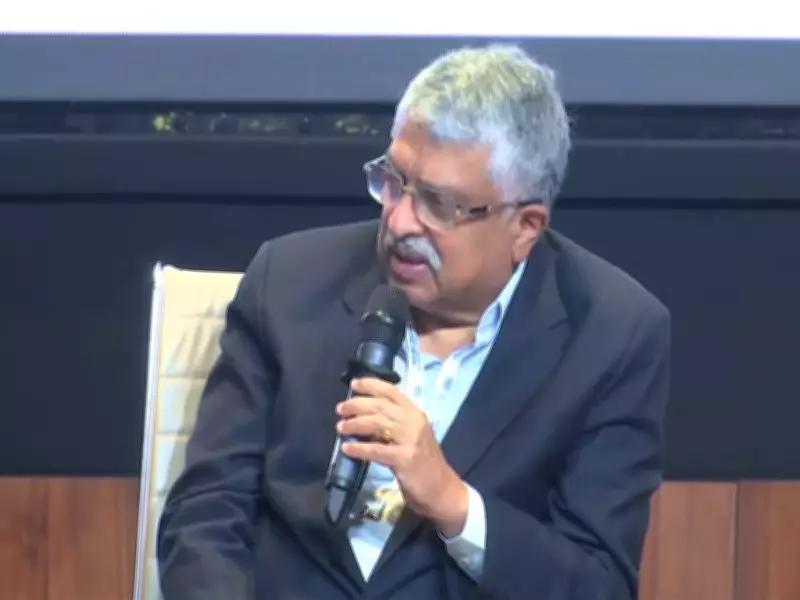
Nandan Nilekani Calls for Cheaper AI Inference and Open Architectures to Fuel Mass Adoption
In a significant address, Infosys co-founder and technology visionary Nandan Nilekani has highlighted the critical need for more affordable artificial intelligence (AI) inference and the widespread adoption of open architectures to accelerate the mass integration of AI technologies. Nilekani, a key figure in India's digital transformation, stressed that these elements are essential for democratizing AI access and ensuring its benefits reach a broader population, particularly in developing economies like India.
The High Cost of AI Inference as a Barrier to Entry
Nilekani pointed out that while AI development has advanced rapidly, the cost of AI inference—the process of using trained AI models to make predictions or decisions—remains a significant hurdle. He explained that inference expenses often overshadow initial training costs, making it challenging for small businesses, startups, and public sector organizations to deploy AI solutions at scale. This financial barrier limits innovation and slows down the adoption of AI-driven tools in sectors such as healthcare, education, and agriculture.
"To truly harness AI's potential, we must focus on reducing inference costs through technological advancements and efficient resource management," Nilekani asserted. He suggested that innovations in hardware, software optimization, and cloud computing could play a pivotal role in making AI more accessible and cost-effective for everyday applications.

Open Architectures: A Pathway to Inclusive AI Development
Alongside cost reduction, Nilekani championed the importance of open architectures in the AI ecosystem. He argued that proprietary systems and closed platforms create silos, stifling collaboration and hindering the development of interoperable solutions. By embracing open standards and architectures, developers and organizations can share knowledge, build upon each other's work, and create more robust, adaptable AI systems.
Nilekani emphasized that open architectures foster transparency and trust, which are vital for ethical AI deployment. "When AI tools are built on open frameworks, it encourages scrutiny and innovation, leading to safer and more reliable technologies," he noted. This approach aligns with global trends toward open-source software and could position India as a leader in collaborative AI development.
Implications for India's Digital Future and Global AI Landscape
Nilekani's insights carry significant weight for India's ongoing digital initiatives, such as Digital India and Aadhaar, which he helped pioneer. He believes that affordable AI and open architectures can enhance public services, boost economic growth, and address societal challenges. For instance, cheaper AI inference could enable real-time language translation for diverse Indian languages or improve crop yield predictions for farmers.
Globally, Nilekani's call resonates with efforts to make AI more equitable and sustainable. As AI becomes increasingly integral to industries worldwide, his recommendations could influence policy-making and corporate strategies. "Mass adoption of AI isn't just about technology; it's about creating an inclusive ecosystem where everyone can participate and benefit," he concluded, urging stakeholders to prioritize accessibility and openness in their AI endeavors.