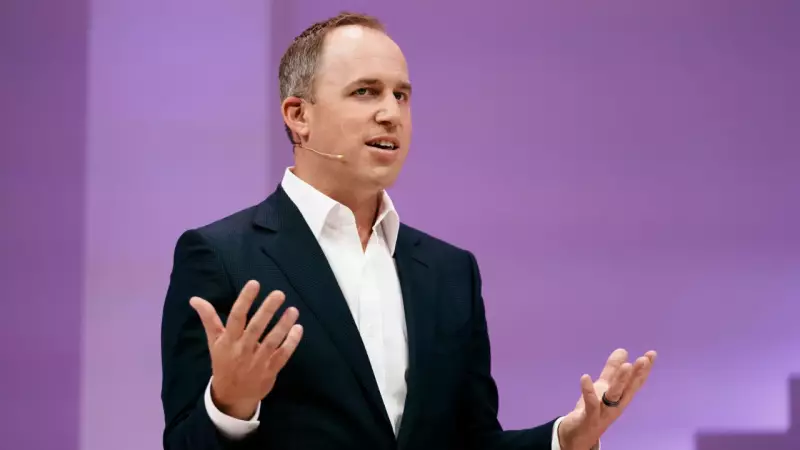
Bret Taylor, the influential chairman of OpenAI's board, has made a significant declaration about the current state of artificial intelligence, stating that the sector is "probably" experiencing a bubble and anticipating a substantial market correction in the coming years. During his appearance at the prestigious World Economic Forum in Davos on Thursday, Taylor shared his insights with CNBC, noting that both sophisticated investors and less experienced ones are currently pouring funds into AI competitors across every layer of the technology stack.
Smart Money and Dumb Money Fueling AI Expansion
"When everyone recognizes that artificial intelligence is destined to have a massive impact on the economy across numerous industries and workflows, capital becomes abundantly available," Taylor explained during the interview. He elaborated that while he expects to see industry consolidation and market correction over the next few years, such periods of intense competition are actually necessary for genuine innovation to flourish. "Innovation requires that kind of messy competition," Taylor emphasized, suggesting that the current funding environment, while potentially overheated, serves an important purpose in the technological evolution process.
From Dot-Com Experience to AI Perspective
Taylor, who also co-founded the AI customer service startup Sierra, described himself as fundamentally optimistic about artificial intelligence despite his bubble concerns. He expressed confidence that the free market will ultimately determine which AI companies develop the most effective products and where genuine economic value resides. This perspective isn't new for Taylor—in a September 2025 interview with The Verge, he drew direct parallels between today's artificial intelligence landscape and the late 1990s dot-com bubble.

While acknowledging that many companies failed when the internet bubble eventually burst, Taylor argued that "all the people in 1999 were kind of right" because the internet ultimately created enormous economic value through transformative companies like Amazon and Google. "I believe it is simultaneously true that AI will transform the economy, and I think it will, similar to the internet, generate tremendous amounts of economic value in the future," Taylor told The Verge. "I also think we're currently in a bubble, and many investors will lose significant money. Both statements can be absolutely true at the same time."
Sierra's Remarkable Valuation Amidst Warning Signals
Interestingly, Taylor's bubble warnings come as his own company benefits from the very AI investment wave he cautions about. Sierra, which develops advanced AI agents for customer service applications, successfully raised $350 million in September 2025 at an impressive $10 billion valuation. Taylor himself acknowledged this figure "almost seems quaint" when considering the growing number of artificial intelligence companies now valued at over $100 billion, highlighting the extraordinary scale of current market enthusiasm.
A Veteran's Perspective on Technological Cycles
Before launching Sierra, Taylor accumulated extensive experience across the technology industry, serving as co-CEO of Salesforce, board chairman of Twitter during Elon Musk's controversial takeover, chief technology officer at Facebook (now Meta), and co-creator of Google Maps. This comprehensive background in multiple technological revolutions gives substantial weight to his predictions about artificial intelligence's trajectory and potential market pitfalls. His unique position as both an AI industry insider and a seasoned technology executive provides him with a distinctive vantage point to assess the current artificial intelligence investment climate.
Taylor's comments arrive at a critical juncture for the artificial intelligence sector, as companies worldwide race to develop and implement AI technologies across diverse applications. His balanced perspective—acknowledging both the transformative potential of artificial intelligence and the risks of current market exuberance—offers valuable insight for investors, entrepreneurs, and policymakers navigating this rapidly evolving technological landscape.