The year 2025 has cast a glaring spotlight on OpenAI, a company already renowned for its revolutionary AI tools like ChatGPT, Sora, and DALL-E. Beyond its technological prowess, the firm is now embroiled in a sensational courtroom drama that pits two of tech's biggest titans against each other. The legal origins war between X owner Elon Musk and OpenAI CEO Sam Altman has taken centre stage, revealing a conflict as complex as the AI they debate.
The Core of the Conflict: Musk's Lawsuit Against Altman
This high-profile dispute has its roots in a lawsuit filed by Elon Musk in 2024. Musk's primary legal challenge aimed to prevent OpenAI from shifting its foundational structure. He sought to stop the organisation's transformation from a tax-exempt non-profit entity into a for-profit corporation. The case, being heard in the San Francisco federal court, has evolved into a series of intense claims and counterclaims between the two billionaires.
Both sides have assembled formidable legal arsenals. Sam Altman is defended by a team from elite law firms, including the prestigious Morrison & Foerster and Wachtell Lipton Rosen & Katz. Elon Musk, on the other hand, has enlisted a pair of specialised litigation firms. It is within this high-stakes legal battlefield that one of Musk's attorneys has emerged as an unexpectedly colourful figure.

The Unlikely Star: Jaymie Parkkinen, Lawyer and Clown
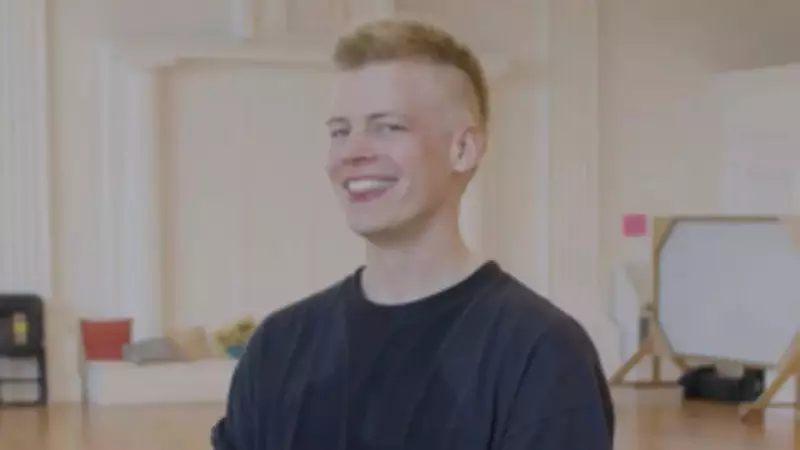
Adding a layer of surreal intrigue to the case is one of Musk's lawyers, Jaymie Parkkinen. As reported by Business Insider, Parkkinen is no ordinary attorney. By day, he is a sharp legal mind handling some of the most contentious discovery disputes in this major case. In a July hearing, he notably stood alone against three lawyers representing the combined might of OpenAI and Microsoft.
However, when the court adjourns, Parkkinen trades his legal briefs for a different kind of performance. He literally works as a clown by night. Juggling his legal career with clown performances, he also operates his own venture called 'Clown Cardio'. "All of my comedy friends — none of them can believe I'm a lawyer," Parkkinen told the outlet. "And none of my lawyer friends can believe I do clown."
Not Your Average Birthday Clown
For those picturing honking red noses and rainbow wigs, Parkkinen is quick to clarify. His art form is not the "Ronald McDonald birthday party kind of stuff" commonly associated with clowns. Instead, he draws inspiration from the high-concept physical comedy of legends like Charlie Chaplin, Buster Keaton, and Lucille Ball.
His approach to clowning is deeply philosophical. "When you strip away all the social masks that we all wear, if you strip away gender and politics and money and status and power, and you're just your raw human self without all of the trappings of society — who are you?" Parkkinen mused. "And clown tries to answer that question."
Implications and the Road Ahead
The OpenAI legal battle transcends a mere corporate dispute. It strikes at the heart of the AI industry's ethical and structural foundations. Musk's lawsuit challenges the very principles upon which OpenAI was built, questioning the morality of its pivot from an open, non-profit mission to a more closed, commercial entity. The outcome could set a significant precedent for how other AI research organisations structure themselves in the future.
While the surreal subplot of a clown-lawyer captures public imagination, the core issue remains critically serious. The verdict from the San Francisco court will not only determine the fate of the claims between Musk and Altman but could also influence the global narrative around profit, transparency, and control in the rapidly advancing field of artificial intelligence. The world watches as this unique blend of high-tech conflict and human eccentricity unfolds in the courtroom.