In a significant step toward strengthening India's rich handloom legacy while promoting sustainable practices, the North Eastern Handicrafts and Handlooms Development Corporation (NEHHDC), under the Ministry of Development of North Eastern Region (MDoNER), officially launched Padma Doree—a pioneering cross-cultural textile initiative. This unique collaboration brings together the Eri (Ahimsa) silk traditions of Northeast India with the celebrated Chanderi weaving heritage of Madhya Pradesh.
Launch Event Highlights
The initiative was formally unveiled by Secretary, MDoNER, Sanjay Jaju, and marked by an elegant fashion showcase that highlighted the seamless fusion of Eri silk—globally known for its ethical and eco-friendly production—with the intricate craftsmanship and delicate motifs of Chanderi textiles. The collection reflected a harmonious blend of sustainability, heritage, and contemporary design.
Addressing the gathering, Sanjay Jaju emphasized that Padma Doree is inspired by the vision of Ek Bharat Shreshtha Bharat, as envisioned by Prime Minister Narendra Modi. He acknowledged the leadership of Union Minister for Development of North Eastern Region, Jyotiraditya Scindia, in bringing the initiative to fruition. He noted that the project stands out for integrating two distinct textile traditions, stating that it not only preserves heritage but also introduces innovation into the textile ecosystem.

Exhibition and Artisan Engagement
The launch event also featured curated exhibition walkthroughs, offering visitors a deeper understanding of the creative and collaborative processes behind the textiles. Positioned within the broader narrative of Indian handlooms, indigenous knowledge systems, and sustainable luxury, Padma Doree reinforces the growing relevance of traditional crafts in modern global markets.
A three-day interactive exhibition, commencing alongside the launch, has been designed to provide an immersive experience. Visitors can engage directly with artisans, witness live demonstrations, and explore the journey of textiles from raw fibre to finished fabric. The exhibition also celebrates cultural diversity by incorporating regional culinary experiences from Northeast India and Madhya Pradesh.
Artisans from both regions are actively participating, showcasing their skills and sharing the stories behind their craft traditions. Their involvement highlights the initiative's focus on building an artisan-centric ecosystem that promotes collaboration, skill exchange, and economic empowerment.
Statements from Officials
Speaking at the event, NEHHDC Managing Director Mara Kocho described Padma Doree as a convergence of fibre traditions and handloom excellence. She emphasized that the initiative aims to create an integrated, sustainable textile ecosystem that supports artisans while preserving India's rich cultural heritage.
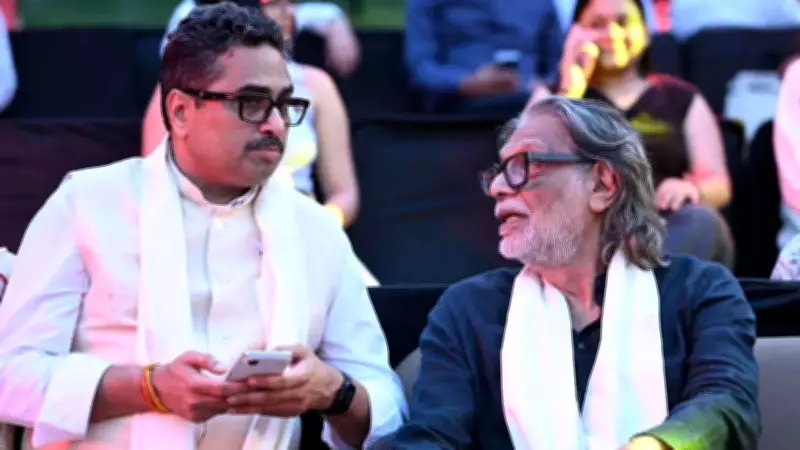
The unveiling ceremony was attended by noted film director Muzaffar Ali, senior officials from MDoNER, representatives from Madhya Pradesh Handloom, and a distinguished gathering of designers, dignitaries, and artisans.
Symbol of Cultural Unity
Padma Doree emerges not just as a textile initiative, but as a symbol of cultural unity, sustainability, and innovation—redefining how traditional crafts can thrive in a contemporary, globalized world.