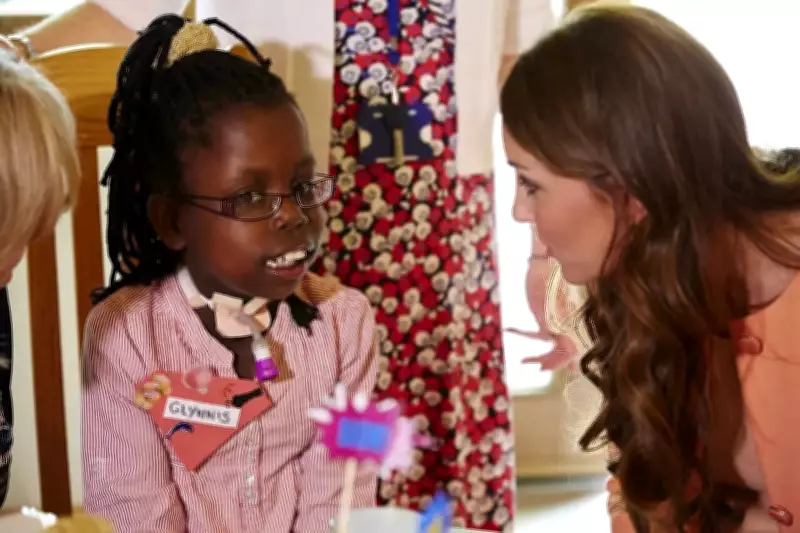
The Princess of Wales recently visited a community classroom to engage in dialogue with parents and early years practitioners. She highlighted that she focuses on a particular topic related to public health that has become the cornerstone of her charity efforts. This engagement is a well-planned step towards long-term advocacy and aims to move beyond one-time charity sponsorships towards raising public health awareness. While traditional public service projects undertaken by royalty usually cover many different issues, this campaign seeks to raise public awareness about the specific field of developmental science that pertains to childhood.
Building a Consistent Conversation
This project has helped create a consistent conversation among the general public on the issue of child development during the first five years. By constantly consulting with experts in the field, Kate Middleton realized that early years development is one area that can benefit from this conversation. Unlike late social problems, the campaign focuses on the early relational context where adult emotional tendencies develop. With the goal of explaining the impact of interactions between parents or caregivers and young children in their everyday activities, the website provides peer-reviewed evidence supporting the scientific basis for early childhood development.
Alignment with International Recommendations
The public message created within the campaign is aligned with the recommendations of international organizations and the findings of the field. Specifically, an excerpt from the WHO global report titled 'Nurturing care for early childhood development' explains that the first three years of life provide a crucial period of brain development and overall well-being. The report notes that responsive care, protection, and early learning experiences are fundamental to ensuring proper child development and, therefore, contribute to social and economic advancement.

Focus on Early Relationships and Brain Development
By focusing on the quality of early relationships, the initiative emphasizes the connection between external environments and early biological growth. As detailed in a medical review titled 'Imaging structural and functional brain development in early childhood,' brain development proceeds at a rapid pace during the first years of life. The structural and functional data gathered from neuroimaging show that early sensory and relational experiences provide the baseline input for areas of the brain that later manage emotional responses and cognitive tasks. It is this interplay between biological timing and caregiving practices that constitutes the crux of the argument made by the campaign.
Using her public presence, the princess points out that healthy social relationships in early childhood have been linked to healthy development later on. This campaign attempts to use scientific knowledge to convey that good caregiving practices are concrete actions towards a healthy future for any child.
Public Awareness and Policy Framework
A broader goal of the campaign includes changing how society measures the value of early life in terms of public policy. This project is meant to get businesses, schools, and even doctors to think about their contribution to the health of communities by examining their policies regarding children. In other words, this campaign is a way to look at the impact of investments in early life on community health. The importance of this campaign comes from its ability to merge empirical findings from developmental sciences with simple recommendations from community services.
By directing public attention towards childcare centers and community networks, the Princess of Wales has managed to associate herself with a particular subdivision of public health studies. Continuous research shows that solving developmental issues is a systematic approach to discussing future societal resilience, since the care of early childhood plays a significant role in determining public health.