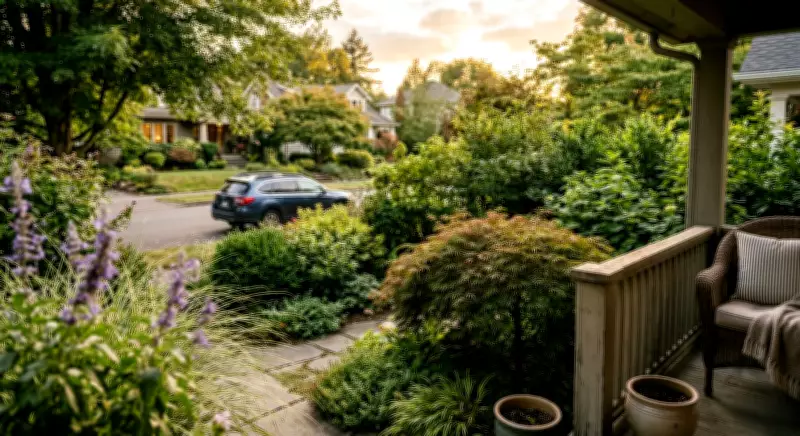
There is a common misconception that achieving privacy in a front yard requires a high wooden fence or an impenetrable brick wall. While fences can provide seclusion, they often intimidate visitors and may detract from the property's aesthetic appeal. Most homeowners do not wish to be completely hidden; rather, they seek a sense of being "buffered" from the street. The most effective solution involves creating layers within the planting process.
The Concept of Layered Planting
Unlike a single hedge layer, layered planting incorporates varying heights, textures, and depths of vegetation. This approach creates a visual filtering effect that softens the direct view from windows to the street. The garden blocks the street from view, rather than isolating the house from the surroundings. This technique is particularly useful for front-yard borders that appear thin from the road, as combining height and depth quickly establishes a thick, effective strip of greenery.
Building Structure with Small Trees and Shrubs
The first element in a privacy garden is the "anchors"—vertical structures that provide screening where it is most needed, such as near large windows or outdoor seating areas. However, it is crucial to avoid tall-growing trees that may eventually overshadow the house. According to the Royal Horticultural Society (RHS), compact evergreen trees are ideal as they offer year-round interest without overwhelming a small lot. A study by the University of Maryland Extension titled "Plants for Mixed Privacy Screens" recommends moving away from single-species hedges. Instead, a "mixed" screen is more resilient to pests and provides a softer, more natural look for residential streets. Ornamental grasses and perennials add softness, while repeating plant types unifies the design.

Once anchors are established, the mid-level layer of vegetation is added. This involves using medium-sized shrubs to "sew" the trees together. Planting shrubs of different heights, including both flowering and evergreen varieties, ensures the privacy screen remains intact even after blooming ends. The mid-level is critical for blocking views from car windows or pedestrians.
Soft Transitions with Ornamental Grasses and Perennials
The next layers transform a privacy screen into a garden. To achieve a softer effect near the house, introduce plants like grasses and perennials to create a transition from tall anchors down to street level. Grasses are excellent due to their movement in the wind, giving the screen a "living" quality. Their fine texture contrasts with rigid evergreens, preventing an unbalanced look.
Repetition is key to making the layered design feel intentional. If a particular type of ornamental grass or purple salvia is used near the porch, repeating those plants closer to the street edge creates an "echo" of colors and textures. This unifies the garden, making the screening appear as a natural part of the landscape rather than an attempt to hide.
Importance of a Maintenance Alley
When designing for privacy, it is tempting to place plants tight against the curb. However, leaving even an inch of space between the curb and plantings adds another layer and makes the yard appear thoughtful. An organized mulched area or a defined strip of low plants like sedum gives the yard a composed appearance, framing the naturalistic privacy garden. The combination of dense evergreens and softer perennials creates a secluded front garden without the need for a fence.