OpenAI CEO Sam Altman: India Poised to Lead Global AI Revolution
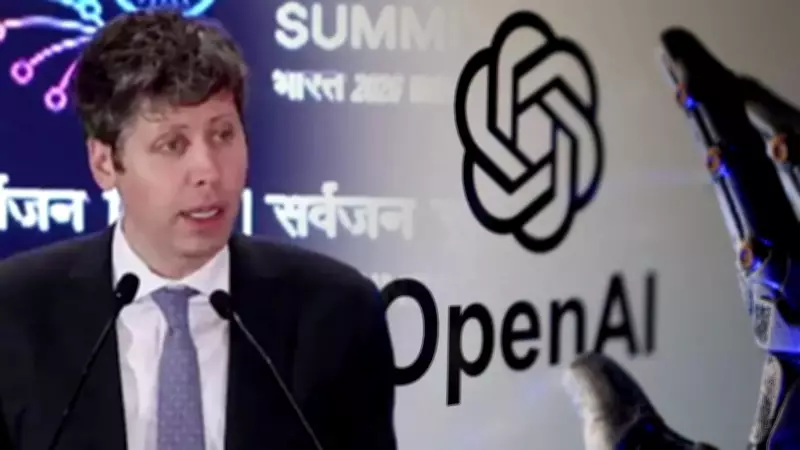
At the prestigious India AI Impact Summit held in New Delhi, OpenAI CEO Sam Altman delivered a powerful endorsement of India's burgeoning role in the artificial intelligence landscape. The visionary tech leader asserted that India is "well-positioned" to emerge as a global leader in AI, highlighting the country's remarkable adoption rates and innovative potential.
India's Impressive AI Adoption Metrics
Altman revealed staggering statistics that underscore India's rapid embrace of artificial intelligence technologies. According to his presentation, an astonishing 100 million Indians currently use ChatGPT on a weekly basis. Even more significantly, students constitute more than one-third of these users, indicating a profound integration of AI tools into the educational ecosystem.
The OpenAI CEO further described India as the fastest-growing market for Codex, their advanced AI system designed to understand and generate code. This dual growth in both consumer-facing AI tools and developer-focused platforms demonstrates India's comprehensive engagement with artificial intelligence across multiple sectors.

Rapid AI Advancement and Future Projections
During his address, Altman emphasized the breathtaking pace of AI development, noting that current capabilities have already reached research-level performance across numerous domains. He suggested that early forms of superintelligence might be achievable within just a few years, marking a potential watershed moment in technological history.
"The acceleration we're witnessing in AI capabilities is unprecedented," Altman remarked, pointing to India's strategic position to capitalize on these advancements.
Democratizing AI for Global Benefit
A central theme of Altman's presentation focused on the critical importance of democratizing artificial intelligence. He warned against the concentration of AI power in the hands of a few entities, advocating instead for governance mechanisms that ensure:
- Fair distribution of AI benefits
- Protection of individual liberties
- Broad human benefit across societies
The OpenAI CEO acknowledged that AI advancement would inevitably disrupt traditional workforce structures, but he balanced this recognition with optimism about the new opportunities that would emerge. He stressed that proactive governance and inclusive policies could help societies navigate this transition while maximizing positive outcomes.
India's Strategic Advantages
Altman's confidence in India's AI leadership potential stems from several key factors:
- Massive user base demonstrating rapid adoption of AI tools
- Strong educational integration with students leading AI usage
- Developer community growth as evidenced by Codex adoption rates
- Government initiatives supporting AI research and implementation
The India AI Impact Summit served as a platform for this significant declaration, bringing together thought leaders, policymakers, and technologists to discuss the future of artificial intelligence. Altman's endorsement adds considerable weight to India's aspirations in the global AI arena, potentially influencing investment decisions, policy directions, and international collaborations.
As artificial intelligence continues to reshape economies and societies worldwide, India's combination of technological adoption, demographic advantages, and policy focus positions it uniquely to not just participate in but potentially lead the next phase of AI development. The recognition from one of the world's foremost AI leaders underscores this potential and sets the stage for India's continued ascent in the global technology hierarchy.