Surge in Appearance Anxiety Among Youth Linked to Social Media
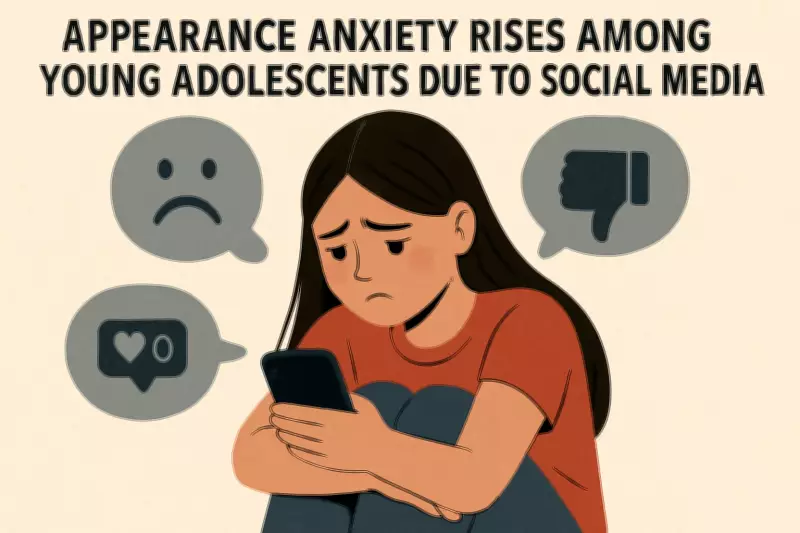
Lucknow: Mental health professionals in the city have noted a significant increase in the number of children and adolescents struggling with appearance anxiety, largely driven by social media-fueled comparisons. In a recent case, a Class XI student was brought to a private psychiatrist after becoming convinced that a part of her body was not developed properly. Although physically normal, she developed severe insecurity after receiving a negative comment about her appearance during an online relationship. Over time, she withdrew socially and developed suicidal thoughts, requiring months of behavioral therapy to recover.
Understanding Body Dysmorphic Disorder
“The condition she was suffering from was body dysmorphic disorder, where an individual becomes excessively preoccupied and worried about imagined or minor flaws,” said Prof Adarsh Tripathi, former faculty member at King George’s Medical University, who treated the patient. Mental health experts explained that prolonged exposure to image-driven platforms is fueling appearance anxiety. Many children become obsessed with selfies and filters, judging their appearance after comparing themselves with fitness influencers. While these issues were earlier seen mainly in older teenagers, doctors are now also receiving cases in the 11-14-year age group.

Warning Signs for Parents
Parents approach specialists after noticing withdrawal from social life, low mood, anxiety, depression, and loss of appetite and interest in daily activities in their children due to appearance anxiety. Cosmetologist Dr Rama Srivastava said an increasing number of teenagers are approaching clinics to change skin tone, lips, nose shape, or acne marks after seeing filtered images online. “Most of them are physically normal but suffer from distorted body image and low self-esteem. We refer such cases to psychological counselling,” she said.
Role of Social Media Algorithms
Prof Pawan Kumar Gupta, faculty member at KGMU’s psychiatry department, said he sees five to six such cases every month. He explained that social media algorithms aggravate the problem: once a child watches a few beauty or fitness videos, similar content starts dominating the feed. Psychologists noted that dependence on likes and comments on photos posted on social media makes adolescents vulnerable, as their identity is still developing. Warning signs include frequent mirror-checking, compulsive photo-editing, and repeatedly checking comments on social media posts.
Expert Recommendations
Mental health experts urge parents to monitor their children’s social media use, encourage open conversations about body image, and seek professional help if warning signs appear. Early intervention through behavioral therapy and counselling can prevent long-term psychological damage.