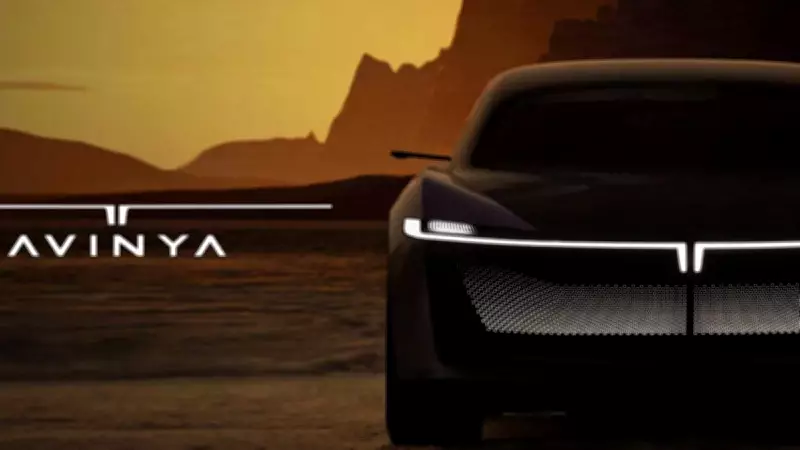
Tata Motors is set to significantly upgrade its upcoming Avinya line of electric vehicles (EVs) by leveraging the Chery-JLR Freelander platform. This strategic move aims to enhance the performance, range, and premium appeal of the Avinya models, which are expected to launch by 2026.
Platform Sharing for Premium EVs
The collaboration between Tata Motors, Chery, and JLR will see the Avinya EVs built on the Freelander platform, known for its advanced electric architecture and off-road capabilities. This platform sharing is expected to reduce development costs and time-to-market while ensuring world-class engineering.
Key Upgrades and Features
- Enhanced Range: The new platform supports larger battery packs, potentially offering over 500 km on a single charge.
- Improved Performance: Dual-motor all-wheel-drive options may be available, delivering quicker acceleration and better handling.
- Premium Interior: The Avinya EVs will feature luxury materials, advanced infotainment systems, and autonomous driving capabilities.
Strategic Implications
This partnership strengthens Tata Motors' position in the premium EV segment, competing with global players like Tesla and Mercedes-Benz. By utilizing JLR's expertise, Tata can offer a compelling alternative in the luxury electric SUV market.

The first Avinya model is rumored to be a mid-size SUV, with production slated for Tata's Sanand plant in Gujarat. The company aims to achieve a 30% EV penetration by 2030, and the Avinya lineup will play a crucial role in meeting this target.
Industry experts view this as a smart move, combining Tata's cost efficiency with JLR's premium DNA. The Freelander platform has already proven successful in the Range Rover Evoque and Land Rover Discovery Sport, now adapted for electric powertrains.
While official pricing is yet to be announced, the Avinya EVs are expected to be priced competitively in the premium segment, starting around Rs 50 lakh ($60,000). The launch is anticipated to boost Tata's electric vehicle portfolio and accelerate India's transition to sustainable mobility.