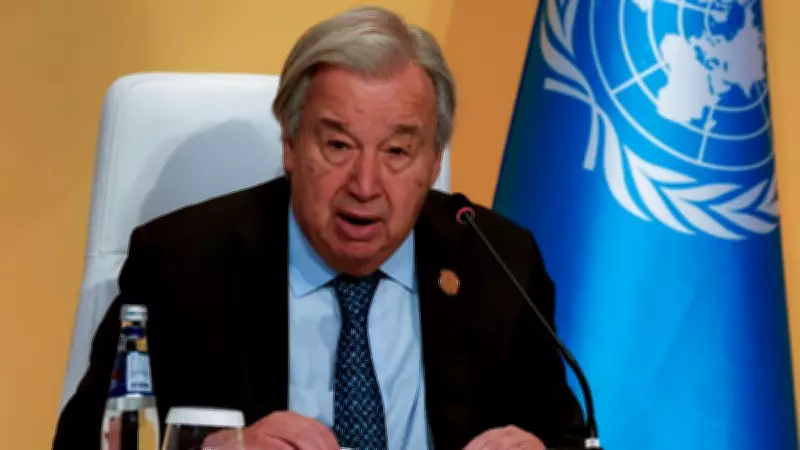
Guterres Sounds Alarm on AI Governance Gap
United Nations Secretary General Antonio Guterres has issued a stark warning that artificial intelligence development is rapidly outpacing regulatory oversight, calling for globally harmonised rules that prioritise the safety of children. Speaking at a UN event on AI and child protection, Guterres emphasised that current governance frameworks are insufficient to address the risks posed by advanced AI systems.
Call for Prioritising Child Safety
Guterres stressed that internationally coordinated regulations must place children's well-being at the centre. He noted that AI technologies, while offering transformative benefits, also expose young users to potential harms such as algorithmic bias, privacy violations, and exposure to inappropriate content. The Secretary General urged member states to accelerate efforts to establish binding global standards that ensure AI development respects human rights, especially for vulnerable populations.
Growing Urgency for Regulatory Action
The warning comes amid a surge in AI capabilities, with systems like large language models and generative AI tools being deployed across sectors without commensurate guardrails. Guterres highlighted that the pace of technological change has outstripped the ability of governments and international bodies to respond effectively. He called for a multi-stakeholder approach involving tech companies, civil society, and governments to create a robust framework that can adapt to evolving threats.

Concrete Steps Proposed
According to Guterres, the UN is working on a set of principles and guidelines aimed at ensuring AI systems are safe, secure, and trustworthy. He specifically pointed to the need for transparency in AI algorithms, accountability for harms caused by autonomous systems, and mechanisms for redress when children's rights are violated. The Secretary General also urged countries to invest in digital literacy programs to empower children and parents to navigate AI-driven environments safely.
International Support and Next Steps
Several member states have expressed support for the initiative, though divisions remain over the scope and enforceability of any global accord. Guterres called for a binding international treaty similar to existing pacts on nuclear weapons or climate change, arguing that AI poses an existential risk if left unchecked. He warned that without coordinated action, the digital divide could widen, and the most vulnerable children in developing nations would bear the brunt of unregulated AI deployment. The UN plans to convene a high-level summit later this year to advance these discussions.