Union IT Minister Issues Apology for AI Summit Day One Disruptions
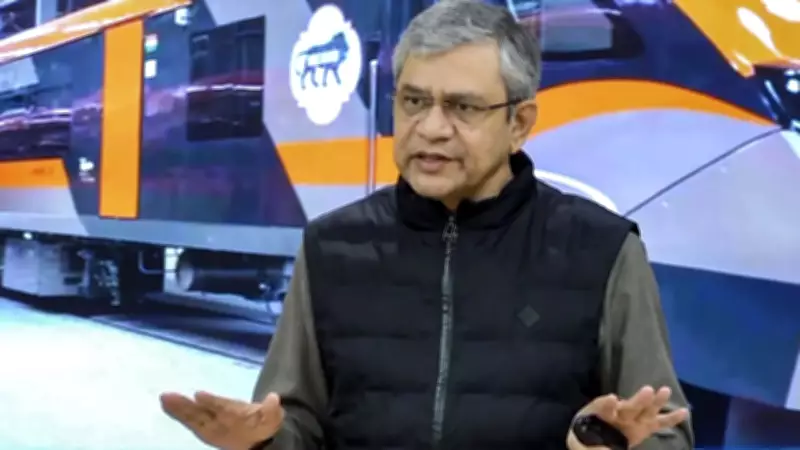
Union IT Minister Ashwini Vaishnaw publicly apologized on Tuesday for the significant inconvenience experienced by organizers, exhibitors, and visitors during the inaugural day of the India AI Impact Summit. He assured all stakeholders that every reported issue would be promptly addressed, with smoother arrangements guaranteed for the remaining days of the event.
Minister Addresses Logistical Challenges and Crowd Management
His remarks followed widespread reports of extensive logistical challenges at the Bharat Mandapam venue in New Delhi, where the five-day summit commenced on Monday. Attendees faced severe difficulties, including excessively long queues, overwhelming crowds, and various operational hiccups that marred the opening proceedings.
During a press briefing, Minister Vaishnaw emphasized the government's openness to constructive feedback, revealing that a dedicated war room had been established to swiftly resolve complaints. "Whatever feedback you have, please share with us. We are open-minded. We have a war room operating right now any issue which is there, please report to us. We definitely will take efforts to make it smoother and make it more enjoyable for all of you," he stated emphatically.

Direct Apology and Commitment to Enhanced Experience
The minister extended a direct and personal apology to those who endured hardships on the first day. "If anybody has faced any problems yesterday, my apologies for that. We are working very hard. The entire team is working day and night to organise this world's biggest AI Summit, and we'll make all efforts to make sure it is enjoyable for all of you," Vaishnaw added. In a separate statement, he reiterated, "If any issue or inconvenience has come to exhibitors at AI Summit, we apologise for that. All issues will be addressed."
Congress Accuses Government of Mismanagement and Chaos
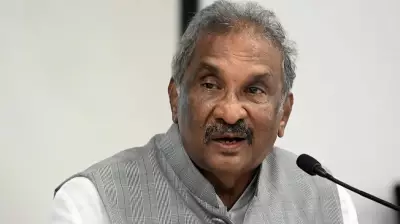
Earlier, the Congress party launched sharp criticism against the Centre, accusing it of gross mismanagement. Congress President Mallikarjun Kharge described the situation as "utter chaos" and labeled the government as "PR hungry," alleging that founders, exhibitors, and visitors suffered distress due to a severe lack of basic facilities.
Kharge detailed a litany of complaints from participants, which included:
- Critical shortages of food and drinking water
- Alleged theft of products from exhibition stalls
- Technical failures of the Digi Yatra system
- Unnecessary restrictions on laptops and personal electronic devices
- Acceptance of only cash payments instead of digital modes
- Exorbitant participation costs without corresponding adequate facilities
Global Significance and Summit Objectives
The AI Impact Summit, heralded as the world's largest artificial intelligence gathering, is being held from February 16 to 20 in the national capital. Prime Minister Narendra Modi inaugurated the prestigious event, which has attracted thousands of participants, including policymakers, industry leaders, startup founders, and global technology executives.
More than twenty heads of state and government, including France's Emmanuel Macron and Brazil's Luiz Inácio Lula da Silva, are expected to participate. Prominent technology leaders such as OpenAI's Sam Altman and Google's Sundar Pichai are also scheduled to attend and contribute to the discussions.
The summit aims to shape a "shared roadmap for global AI governance and collaboration" under the overarching themes of "People, Planet and Progress." India is strategically positioning itself as a global hub for digital infrastructure and artificial intelligence, with a focused agenda on expanding access to AI technologies and building international consensus on responsible AI development.
Overwhelming Response and Venue Observations
PTI reporters stationed at the venue observed persistently long queues outside session halls, attributed to exceptionally high demand and packed schedules. Organizers confirmed that registrations had far exceeded initial expectations, reflecting robust global interest in critical areas such as AI infrastructure, enterprise adoption, and governance frameworks.