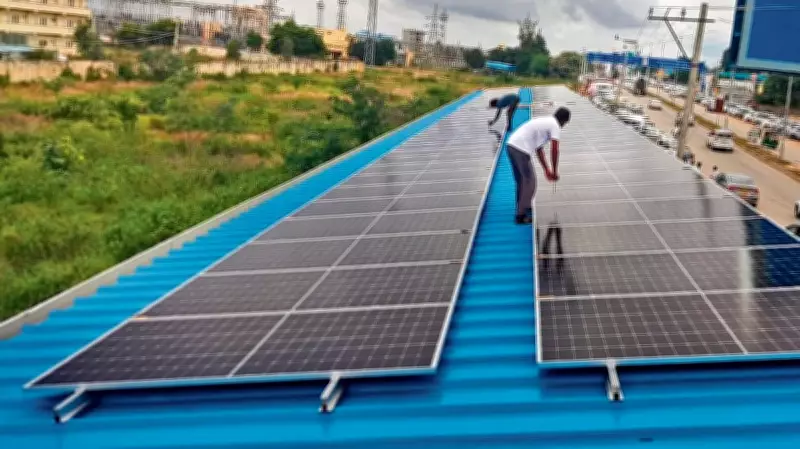
India's solar energy sector has witnessed a remarkable boom in recent years, with installed capacity soaring to new heights. However, this rapid expansion is not translating into the expected benefits, as evidenced by recent market trends. On June 6, 2026, the average price of solar power dropped to just Rs 1.22 per kilowatt-hour (kWh) by 5 PM, with near-zero prices recorded across multiple time blocks during the day. This phenomenon highlights a growing disconnect between generation and demand.
Challenges in the Solar Sector
The primary issue lies in the mismatch between solar generation peaks and actual electricity consumption patterns. Solar power is abundant during daytime hours, but demand often peaks in the evening when solar output declines. This leads to surplus generation during midday, forcing prices to plummet. Additionally, grid infrastructure struggles to absorb the intermittent supply, resulting in curtailment and wastage.
Grid Instability and Storage Gaps
Another critical factor is the lack of adequate energy storage solutions. Without sufficient battery capacity, excess solar power cannot be stored for later use. This not only depresses prices but also strains grid stability. The government has promoted pumped hydro storage and battery projects, but progress remains slow.

Policy and Market Design Flaws
Current market mechanisms do not incentivize flexible generation or demand-side management. Many states have not fully implemented open access or time-of-day tariffs, which could encourage consumption during solar-rich hours. Furthermore, subsidies for fossil fuels continue to distort the energy market.
Way Forward
To unlock the full potential of India's solar boom, policymakers must focus on three key areas: accelerating storage deployment, modernizing grid infrastructure, and reforming electricity markets. Introducing dynamic pricing and promoting green hydrogen could also create new avenues for solar utilization. Without these measures, the solar boom may remain a missed opportunity.