Mosquito-borne infections, including dengue, Zika, and chikungunya, continue to pose significant health risks for millions of people worldwide. With global warming contributing to an increase in mosquito populations, scientists are exploring innovative methods to curb the spread of these diseases. One of the most promising approaches involves the use of Wolbachia, a naturally occurring bacterium found in many insects.
What is Wolbachia?
Wolbachia is a bacterium that naturally resides within the cells of various insect species. According to the World Mosquito Program, approximately 60% of insect species, including butterflies, bees, and beetles, carry this bacterium. Importantly, Wolbachia does not cause any diseases in humans or animals. Scientists from the Department of Clinical Sciences at the Liverpool School of Tropical Medicine have confirmed that the bacterium's unique effects on mosquitoes make it a valuable tool for disease control.
How Wolbachia Works
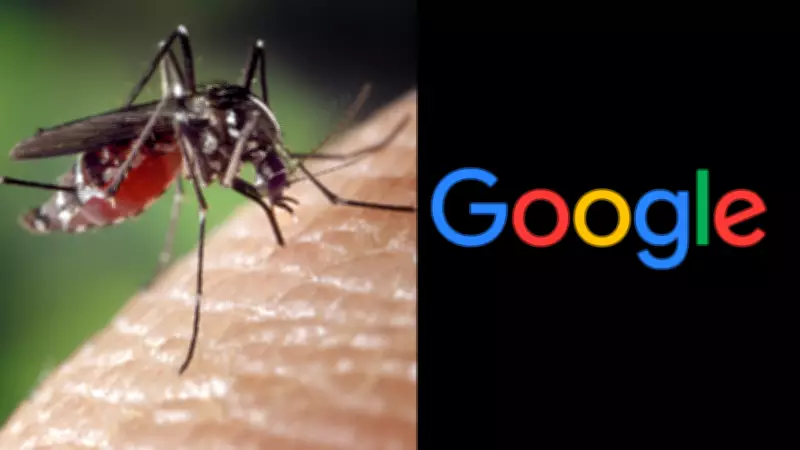
The Aedes aegypti mosquito, which is the primary vector for dengue, Zika, and chikungunya viruses, does not naturally carry Wolbachia. However, researchers can artificially introduce the bacterium into these mosquitoes. Once inside, Wolbachia significantly reduces the ability of viruses to replicate within the mosquito's body, thereby decreasing the likelihood of transmission to humans. The World Mosquito Program states that Wolbachia prevents viruses like dengue, chikungunya, and Zika from replicating in Aedes aegypti mosquitoes.

Reducing Dengue Transmission
The strategy involves releasing Wolbachia-carrying mosquitoes into local populations, where the bacterium spreads naturally from generation to generation. Over a decade of research has provided convincing evidence of this approach's effectiveness. A 2025 study published in Nature, titled 'Detection and genetic diversity of Wolbachia and its associated prophage WO in mosquito populations from Ethiopia,' demonstrated that Wolbachia can establish itself in wild Aedes aegypti populations and suppress dengue transmission. The study found that people living in areas where Wolbachia-carrying mosquitoes were released were less likely to contract dengue compared to those in control areas. Additionally, there was a significant reduction in both dengue infection and hospitalization rates.
From a public health perspective, controlling the mosquito's ability to infect is more advantageous than relying solely on pesticides, which face issues like insecticide resistance, environmental hazards, and high operational costs.
Potential of Wolbachia
The prevalence of dengue is expanding rapidly. According to the World Health Organization, roughly half of the world's population is at risk, with 100 to 400 million infections occurring annually. Wolbachia offers a safe and sustainable alternative, as the bacterium has existed naturally in insects for millions of years and involves no genetic engineering. While scientists continue to study long-term effects, evidence suggests that Wolbachia could be one of the most valuable techniques for preventing the spread of dengue, Zika, and chikungunya, especially as mosquito-borne diseases expand into new territories.
Google's Debug Project
A technology-based project by Google, initially under Verily, is seeking permission from the US Environmental Protection Agency (EPA) to release up to 32 million male mosquitoes carrying Wolbachia in California and Florida. Male mosquitoes do not feed on humans and cannot transmit diseases. The goal is to reduce the mosquito population by ensuring that eggs do not hatch after mating. The project is awaiting an EPA decision, and if approved, it could become the largest attempt to use Wolbachia for mosquito control. Scientists emphasize the need for continuous monitoring to assess potential consequences.