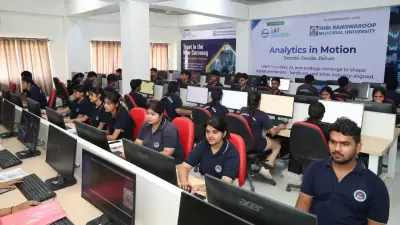
Cyber Safety Awareness Soars Among Students After Training Programs: Quick Heal Survey
Awareness of critical cyber safety concepts among school and college students has experienced a remarkable surge following focused training initiatives, according to a comprehensive survey conducted by the Quick Heal Foundation. The study, which spanned from August to November last year, demonstrates a significant positive shift in digital literacy among young learners across various age groups.
Dramatic Improvements Across All Age Groups
The findings, officially released on March 26, reveal substantial advancements in cyber safety awareness across all student categories. Among students in Standards V to VII, awareness levels skyrocketed from 43% to an impressive 89%. For those in Standards VIII to X, the improvement was equally striking, climbing from 49% to 90%. College students showed similar progress, with their awareness increasing from 43% to 90% after participating in the specialized training sessions.
Extensive Survey Methodology and Results
The extensive survey encompassed 220,000 students aged between 11 and 24 years, representing diverse academic streams including arts, commerce, and science. Beyond the quantitative improvements in awareness, the survey captured promising behavioral intentions, with approximately 80% of respondents expressing their commitment to adopting safer online practices following the training.

Early behavioral changes have already been observed, with both school and college students demonstrating notable enhancements in their safe digital conduct. This suggests that the training programs are translating theoretical knowledge into practical, real-world applications.
Student Testimonials Highlight Practical Benefits
Third-year graduate student Aditya Mane from Pimpri shared how repeated participation in the program has transformed his approach to digital security. "The training has made me significantly more vigilant about cyber threats, particularly concerning spam messages," Mane explained. "It empowered me to assist several individuals in my neighborhood who had fallen victim to cyber frauds. This initiative goes beyond mere awareness spreading—it's about building connections, creating supportive networks, and fostering personal improvement."
Third-year computer science student Sakshi Neharkar emphasized how the program clarified numerous misconceptions about online behavior. "I now have a much clearer understanding of the gap between theoretical knowledge and real-life digital situations," she noted. "The training provided me with a practical perspective and heightened my awareness of genuine digital risks in everyday contexts."
Foundation's Vision for Digital Empowerment
The survey was conducted among participants of the 'Cyber Shiksha for Cyber Suraksha' initiative, a program specifically designed to enhance digital literacy and cyber safety awareness among young people. Anupama Katkar, Chairperson of the Quick Heal Foundation, expressed that the findings reinforce her conviction in the pivotal role of youth in constructing a safer digital ecosystem.
"These results fill me with strong conviction that the future belongs to a digitally empowered youth," Katkar stated. "They clearly indicate that India's young generation is prepared to become the first line of defense in building a secure and resilient digital India."
The survey outcomes highlight the effectiveness of structured cyber safety education in bridging knowledge gaps and fostering a culture of digital responsibility among students. As cyber threats continue to evolve, such initiatives play a crucial role in equipping the next generation with the skills needed to navigate the digital landscape safely and confidently.